
 English
Views: 23 Author: Site Editor Publish Time: 2025-09-05 Origin: Site
Quality brewing equipment is key to the success of every brewing business. High-quality equipment helps ensure proper temperature control, reduces the risk of contamination, and increases brewing efficiency, resulting in better-tasting beer. Furthermore, well-maintained equipment lasts longer, saving you time and money in the long run.
Brew kettles are used to heat and boil the wort during the brewing process. Brew kettles come in different sizes and materials, but stainless steel and aluminum are the most popular choices. Keeping brew kettles clean and rust-free is essential for optimal brewing results.
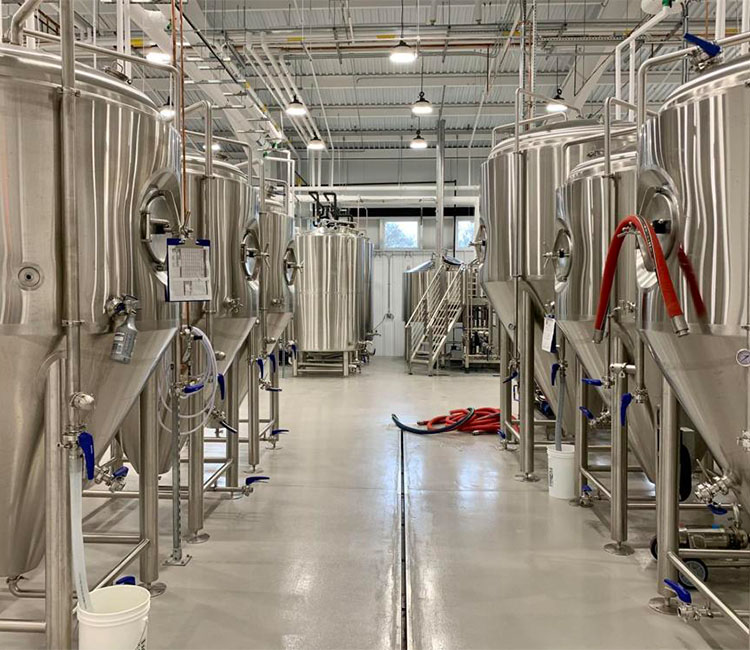
Fermenters hold the wort as it ferments into beer. Fermenters can be made of glass, plastic, or stainless steel. Well-sealed and sterilized fermenters ensure that the beer is protected from harmful bacteria.

Wort chillers cool the wort after boiling, reducing the risk of contamination and off-flavors. There are immersion, counterflow, and plate types. Keeping wort chillers clean and free of debris prevents blockages and ensures efficient cooling.
Pumps and tubing help move liquid throughout the brewing process. Clean and inspect these parts regularly to ensure smooth and sanitary liquid delivery.
Regular cleaning is essential for maintaining brewing equipment. Equipment should be cleaned after each use to prevent the accumulation of bacteria, mold, and other contaminants that could affect beer quality.
Ensure that your brewing equipment is disinfected. Unlike cleaning, disinfection focuses on eliminating any remaining microorganisms. Therefore, be sure to treat all surfaces that come into contact with wort or beer with a food-grade disinfectant. Also, be sure to follow the manufacturer's instructions for disinfectant concentration and contact time.
Regular equipment inspections are crucial to identifying and resolving problems before they become serious. Equipment should be inspected before and after each use to check for any signs of damage, wear, or corrosion. Any issues should be addressed immediately to prevent further damage. Repairs should be performed by qualified technicians or the equipment manufacturer to ensure they are completed smoothly and do not compromise the safety or quality of the equipment.
Heat exchangers should be disassembled and cleaned after extended periods of operation or disuse. Cleaned components should be installed properly, and worn gaskets should be replaced promptly. Check the wiring and grounding of each motor and pump to ensure proper connection. Pumps used in beer equipment must not run idle or rotate. If a pump leaks, replace the pump seal immediately. Check the oil level of the reduction motor and hydraulic equipment, and add lubricant to the agitator motor according to the instructions.
If there is a leak at the inlet and outlet pipe joints, tightening the joints does not resolve the problem. Add or replace the packing.
Check the pressure gauge and safety valve, and replace or repair any malfunctions promptly.
Electrical equipment, including electrical instruments, meters, and sensors, should not come into direct contact with water or steam. Protect them from moisture.
When not in use, clean the equipment promptly and remove any remaining water from the pipes, tank lid, and hand-hole screws to prevent deformation of the sealing rings.
When not in use, drain the equipment and any remaining water from the clean water tank and pipes.

If you don't plan to use the equipment for a while, be sure to clean it. Wait until the water runs clear before closing the valve. After extended use, clean the equipment before use.
The heat exchanger should be disassembled and cleaned after extended periods of operation or long periods of disuse. Do not use a metal brush when cleaning, and do not bend, twist, step on, or press the heat exchanger plates. Replace worn gaskets promptly.
Check the motor and pump connections and grounding to ensure they are properly connected. Check the oil level in the reduction motor and hydraulic system. Add lubricant according to the instructions. Check the seals of the mixing and tillage attachments. Do not allow all pumps to run idle or in operation. If leaks are detected, replace the pump seals.
Check the crusher hopper for foreign matter and debris, check the crusher fasteners for looseness, check the tightness of the crusher drive belt, and ensure that the safety devices are secure. Clean the grinding rollers.
Check the pressure gauge and safety valve of the steam heating system to ensure the drain valve is unobstructed. Do not start heating unless the water level is below the specified level. Warning signs should be hung on the tops of high-temperature pipes, such as those used for steam, wort, and mashing equipment, to prevent burns during operation.
During lautering, avoid extracting wort at high flow rates to avoid damaging the sieve plates! When the equipment is not in use, do not place heavy objects on the sieve plates to prevent deformation. When the equipment is operating, keep all mechanical components running.
Check the plate heat exchanger regularly for leaks, air leaks, and fluid flow. Repair any problems immediately.

To best address leaking fittings or seals, it's crucial to regularly inspect your brewing equipment. By inspecting your tools, you can identify any loose connections or worn gaskets that could lead to leaks. This allows you to take immediate action to tighten or replace problematic parts, ensuring efficient and clean brewing. Also, remember that early detection and prompt repairs are crucial to preventing more serious problems.
To prevent clogged pipes or pumps, clean and disinfect them after each use. This removes any buildup that could hinder the flow of liquid during brewing. If there's stubborn debris, use a brush to thoroughly clean it. Make it a habit to regularly inspect your pipes and pumps for obvious signs of blockage. If you notice any issues, address them immediately to ensure a smooth brewing process.
Speaking of rust or corrosion, it's crucial to choose brewing equipment made of rust-resistant materials like stainless steel. If you notice rust or corrosion, take immediate action to clean the affected areas. This approach will help protect your equipment and maintain its integrity.
