
 English
Views: 38 Author: Site Editor Publish Time: 2026-01-15 Origin: Site
In the vast tapestry of brewing, the mash system is not merely a mechanical stage—it is the very soul of beer production. It is here that grain is transformed into fermentable wort, where science, craftsmanship, and precision converge to shape every drop of beer. From the first infusion of hot water to the final extraction of sugars, the mash system defines flavor, alcohol potential, and brewing consistency.
Whether in a craft brewery or an industrial brewhouse, the mash system marks the true beginning of the brewing journey.

The mash system is the brewhouse section where milled malted grains are mixed with heated water to activate enzymes. These enzymes convert starches into fermentable sugars, forming a sugar-rich liquid known as wort, which will later be fermented by yeast.
This transformation—from grain to liquid—is the biochemical foundation of brewing. Without an efficient mash system, even the best raw materials cannot deliver high-quality beer.
Within the intricate world of brewing alchemy, mashing stands as the primal act of transformation. Crushed malt and water enter the mash tun as simple ingredients, yet they emerge as a complex, flavorful wort ready for fermentation.
This process relies on a delicate balance of time, temperature, and chemistry. Enzymes act as microscopic workers, breaking down complex carbohydrates into fermentable sugars while also releasing proteins and nutrients essential for yeast health.
It is here that brewers move beyond recipe formulation and into the realm of true brewing mastery.
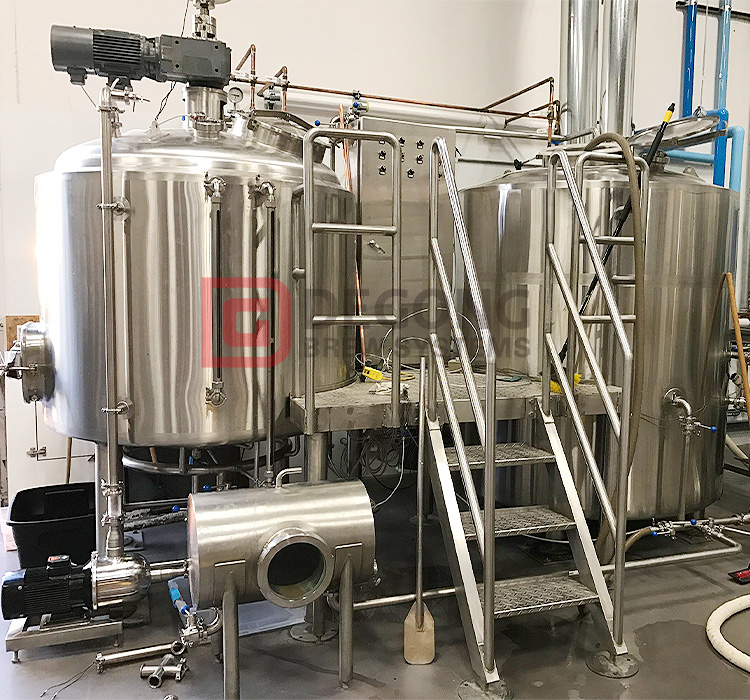
Temperature is the silent conductor of the mashing symphony. With each degree of change, enzymatic activity shifts, directly influencing the sugar profile of the wort.
Lower mash temperatures encourage beta-amylase, producing more fermentable sugars and resulting in drier beers with higher alcohol potential.
Higher mash temperatures favor alpha-amylase, creating more dextrins that add body, sweetness, and mouthfeel.
Through precise temperature control, brewers sculpt the final character of each beer style—from crisp lagers to rich stouts.

A well-designed mash system maximizes sugar extraction while maintaining clarity and stability. Key variables such as:
Grain crush size
Water-to-grain ratio
Mash thickness
Mixing and heat distribution
all directly affect conversion efficiency and wort quality.
Modern mash systems are engineered to provide uniform heating, controlled agitation, and repeatable results, allowing breweries to achieve both high yield and consistent flavor batch after batch.
At the heart of every mash are enzymes, led by amylase, which convert starch into fermentable sugars. Protein-degrading enzymes further refine the wort, improving yeast nutrition, foam stability, and beer clarity.
By controlling pH and temperature, brewers guide these enzymes to operate at peak efficiency, unlocking the full potential of every grain.
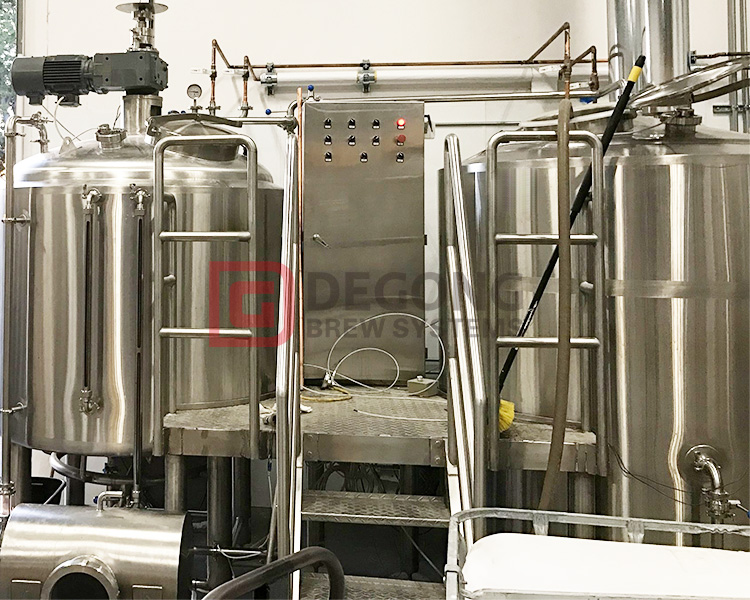
Today’s breweries benefit from advanced mash system technology, including:
Automated temperature control
Programmable step-mashing
Integrated agitators
Precision sensors
These innovations allow breweries to produce highly consistent wort while enabling flexibility for recipe development and production scaling.
A modern mash system is not just a vessel—it is a precision instrument designed for efficiency, control, and quality.
As brewers raise their glasses to tradition and innovation alike, the mash system remains the beating heart of every great beer. It is here that raw grain becomes possibility, and possibility becomes flavor.
By investing in a high-quality mash system, breweries secure not only better beer, but greater consistency, higher efficiency, and long-term competitive advantage.
