
 English
Views: 19 Author: Site Editor Publish Time: 2025-07-11 Origin: Site
Brewing beer is a process that requires time, dedication, and patience, as various ingredients need to work together to create the perfect beer. Yeast is an essential component of the fermentation process, and as a living organism, it is bound to have some issues.
Preventing contamination in the beer brewing process requires attention to detail at every step, as exposure to external factors can ruin an entire batch of beer. Having the right equipment and applying best practices will help maintain the consistency, quality, and flavor of your beer.

The presence of hop compounds, alcohol, inhibitors such as carbon dioxide and sulfur dioxide, as well as the lack of nutrients and oxygen and low pH, make beer resistant to microbial contamination. In addition, processes such as filtration, refrigeration and pasteurization can also reduce contamination. The special environment of the brewing process limits the types of microorganisms that may be encountered to a few. Although contaminants found may cause quality defects, these pathogens will not grow in standard finished beer.
Brewery contamination is generally divided into primary contamination (brewing) and secondary contamination (bottling). About 50% of microbiological problems can be attributed to secondary contamination, but the consequences of primary contamination can be more comprehensive and catastrophic.
Yeast, wort, fermentation and storage. Dirty equipment is an important source of contamination in beer brewed with yeast. Fermenting yeast, dirty return bottles and leftover beer are the most important sources of contamination. Weak points in the brewery that may be sources of contamination include measuring instruments such as thermometers and pressure gauges, valves, dead spots, gas pipes (due to condensation) and worn floor surfaces.

Unpasteurized bottled, filled or keg beer from the brewery. All points of direct or indirect contact with unsealed bottles that have been washed or filled can become a source of contamination.
Common causes of secondary contamination:
Sealing machine
Filling machine
Bottle inspection machine
Bottle washing machine
Clean all working equipment
Sanitize to ensure the brewing area is sanitized
Improve the resistance of beer to microbial attack by adjusting pH, adding antimicrobial compounds, reducing water activity, increasing osmotic pressure, etc.
Don't oxygenate hot must. Keep must still and cool to 26°C.
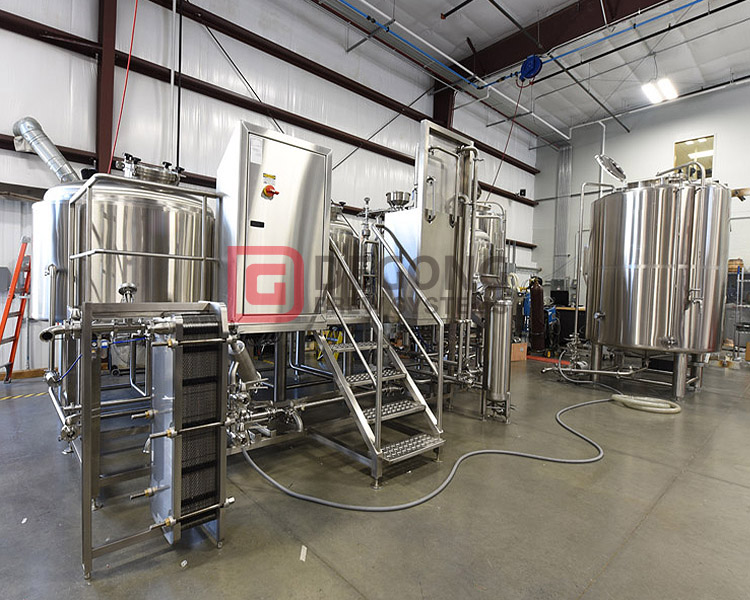
Use stainless steel. Stainless steel prevents bacterial growth; it is easy to clean and maintain, and has a long service life. Using stainless steel containers for storage and fermentation will provide better results and ensure the safety of the produce.
Limit oxygen. Product exposure to oxygen must be limited to prevent oxidation of the beer. Yeast converts the sugars in the wort into carbon dioxide, and this process must take place in a closed container.
