 English
Views: 20 Author: Site Editor Publish Time: 2025-08-25 Origin: Site
Beer's flavor and aroma are quite complex, so it's somewhat surprising that it only has four main ingredients. The art of brewing beer stems from the process itself. The conditions under which these ingredients are combined, as well as the quality of each, create a unique taste. All beer is made from grains, hops, yeast, and water, though the proportions vary depending on the brewing style.
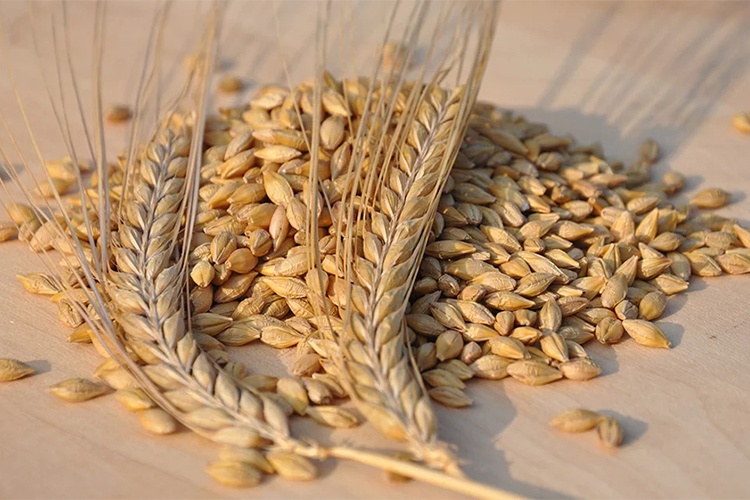
The grains used in craft beer are typically malted barley (barley kernels soaked in water). These starches convert to sugars, which interact with yeast during fermentation to produce alcohol. The grains used in beer influence many factors. The color of the grains determines the color of the final drink, whether it's a pale golden ale or a stout as deep as the night sky.
The malting process simulates the germination of grains, which metabolizes their natural sugars (called maltose), which yeast needs for fermentation. The process involves soaking seeds in water until the plant begins to grow. Before the malt emerges from the seeds, it is kiln-dried. Different drying methods produce malts with varying colors and flavors.
Malty flavor and aroma: These range from a light corn flavor to caramel and mocha, and everything in between.
Color: This depends on the type of malt used. All beers are made with a high concentration of light-colored malts because they contain specialized chemicals called enzymes that convert malt starches into sugars.
Fermentable matter: This means "food for yeast." The sugars in the malt provide all the nutrients the yeast needs to convert them into alcohol and carbon dioxide.
Water is the most important ingredient in beer. Craft beer is typically over 90% water, so the quality of the brewing water is crucial. The most commonly used water types for home brewing are:
Well water
Tap water
Spring water
Distilled water
Reverse osmosis water
Most brewers prefer filtered water. Using filtered water allows breweries to achieve the ideal balance between purity and mineral content while removing impurities. To promote fermentation, sufficient calcium and magnesium must be retained. Reverse osmosis filtration removes the water's natural flavor and minerals.

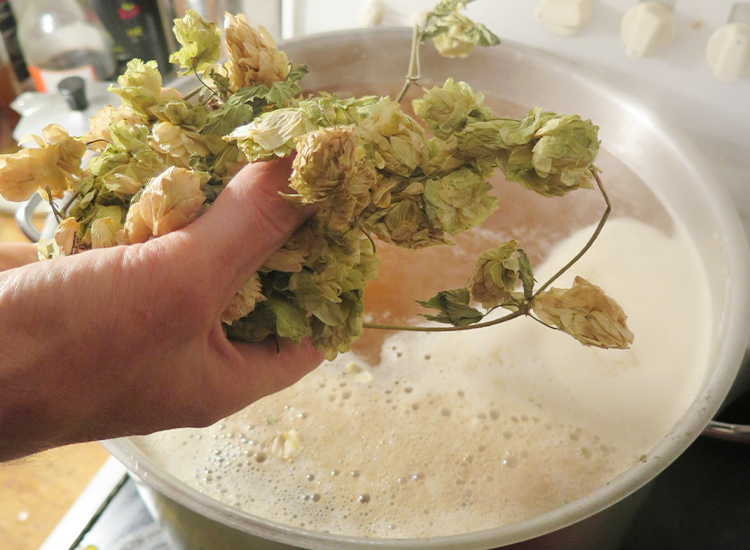
Hops impart a spicy aroma, rich flavor, and a bitterness ranging from mild to rich, complementing the sweetness of the malt. Hops are a perennial vine with flowers resembling soft green pine cones. They contain a yellow powder called lupin. The resins and oils in this powder are crucial for brewing beer. Hops also have another important function: stability. They contribute to beer's long shelf life because they have antimicrobial properties, killing certain microorganisms that can harm beer.
Yeast is the third most important component of beer. During fermentation, yeast consumes the sugars in the malt and releases ethanol and carbon dioxide. Brewer's yeast is primarily divided into two categories: ale yeast and brewer's yeast. Within each category, there are hundreds of strains, each specialized for a specific style of beer. Some brewers believe yeast is the most important factor in determining beer quality.
Ale yeast is a top-fermenting yeast that forms a floating "yeast cake" on the surface of the liquid during fermentation. For this reason, ale yeast is often referred to as "top-fermenting yeast."
Beer yeast is bottom-fermenting, meaning it spends some time beneath the liquid during fermentation. For this reason, it is often referred to as "bottom-fermenting."

The grain is kiln-dried, reducing its moisture content to 3% to 5%. The final stage is roasting the grain.
This step involves soaking the grain in hot water. This process, called mashing, activates the amylase enzyme in the grain, breaking it down and releasing sugars. The water is then drained, leaving behind a sweet, syrupy liquid called wort. Some grain remains, and the next step is filtering, or separating the wort from the spent grains.
After the wort is prepared and filtered, hops and other spices are added. Hops impart a bittering flavor, balancing the sugars in the wort. Hops also have natural preservative properties. For example, India Pale Ale (IPA) is one of the most popular craft beers.
After the hops are added and the beer is boiled, it is poured into a fermenter and yeast is added. While there are over 1,500 species of yeast, two main types are used in craft beer: top yeast and bottom yeast. Yeast is a living, single-celled microorganism belonging to the fungus family. Once yeast is added, it breaks down the sugars, producing alcohol and carbon dioxide. The beer ferments at a relatively high temperature, around 64 degrees Fahrenheit (17 degrees Celsius), and is ready to drink within three weeks.
Once fermentation is complete, the final step is filling the beer into bottles, kegs, or barrels.