 English
Views: 21 Author: Site Editor Publish Time: 2025-09-03 Origin: Site
A mash tun is a vessel used in home brewing to make wort. It converts starch from grain into sugars for fermentation, typically used in brewing beer and ale. This vessel, typically made of stainless steel or insulated plastic, is designed to accommodate the mashing process. To ensure optimal enzymatic conversion, it needs to maintain a stable temperature, typically between 60-70°C (140-158°F).
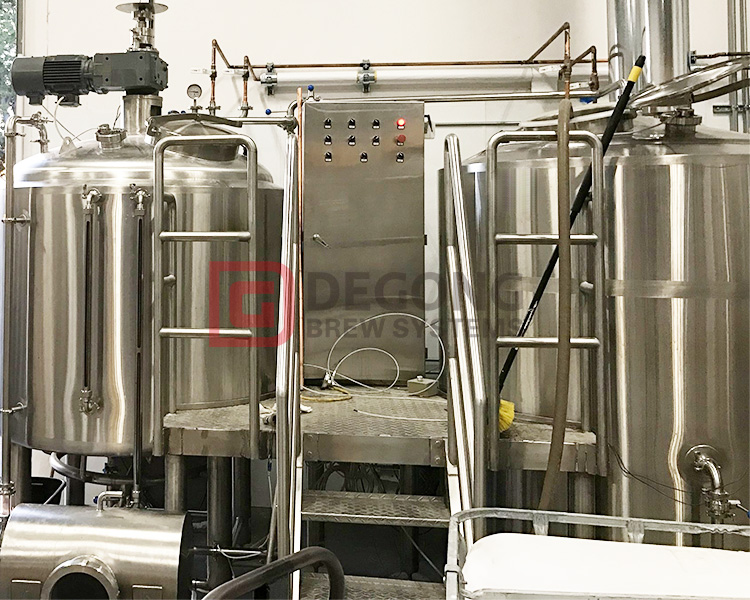
A mash tun is more than just a container; it's a highly efficient system designed for optimal brewing. It consists of a "false bottom" or manifold—a slotted, perforated plate located above the actual bottom. This component separates the wort from the spent grains during lautering, a method of filtering and rinsing the grain bed.
Then there's a tap or ball valve, which transfers the wort from the mash tun to the brew kettle. Some mash tuns also feature thermometers and recirculation systems to maintain a consistent temperature throughout the mash.
All of these elements work together to transform a humble grain into the beginnings of a rich, flavorful beer. The quality of beer isn't just determined by the ingredients themselves; the quality of the brewing equipment also impacts its taste, clarity, and aroma.

There are two main types of wort tuns: Immersion Mash Tun and decoction tuns.
In a steeping mash tun, brewers mix hot water with ground malt to create wort. Temperature adjustment typically involves adding more hot or cold water as needed. Brewing mash tuns are often equipped with a false bottom to separate the wort from the grain during lautering. Furthermore, due to their simplicity, mash tuns remain popular in modern breweries. This simple design makes temperature control and maintenance easier, making them the preferred choice for many breweries.
The sour mash tun is a more complex process. In this method, a portion of the mash is removed, heated to a boil, and then returned to the main mash. As a result, the mash temperature increases.
Mash tuns are commonly used in traditional European brewing methods, particularly in beer brewing, to develop unique flavors. While this technique is more complex and time-consuming, it remains attractive to brewers seeking to achieve specific flavor profiles in their beer.
The mash tun is crucial to the flavor of beer. The type of grain, water temperature, and steeping time all influence the final flavor. For example, using light-colored grains like wheat results in a beer with a light, crisp taste. Using dark-colored grains like barley results in a beer with a richer, fuller flavor. Water temperature also influences the flavor of the beer. The warmer the water, the more sugars are extracted from the beer, resulting in a sweeter taste. The longer the grains are steeped, the sweeter the beer will be.
The mashing process is a crucial step in the brewing process, influencing the flavor of the final product. Understanding the role of the mash tun and its impact on taste is crucial if you want to brew high-quality beer.

Temperature is crucial. Follow the instructions for temperature.
You can use a 1/2-inch stainless steel barb connected to 2-3 feet of silicone tubing to transfer hot liquid from one location to another. These should cost less than $10.
When pouring liquid from a mash tun, always keep the liquid below the tap level. Be sure to tilt the mash tun toward the tap to pour out the remaining half gallon or so.
We've found that using a mash tun this way yields 75-80% efficiency, so be sure to factor these numbers into your recipe planning. (Due to the lower efficiency of the BIAB, our recipes are approximately 73%.)