
 English
Views: 27 Author: Site Editor Publish Time: 2025-08-26 Origin: Site
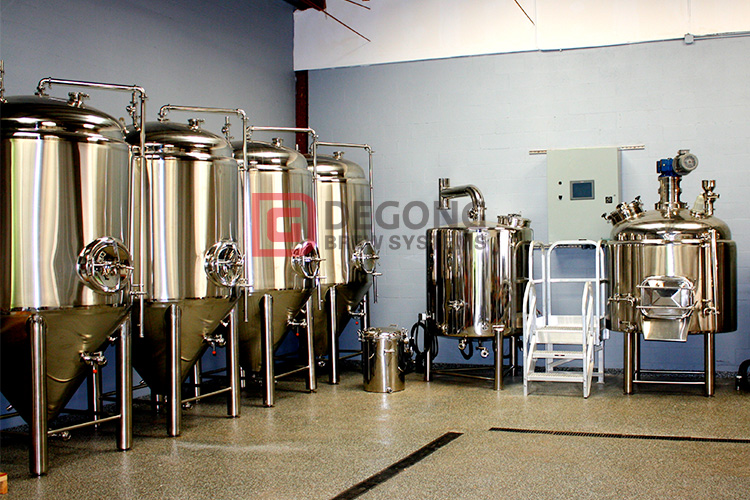
Modern beer brewing relies on specialized equipment to ensure quality and consistency:
Mashing Pot: Used to steep grains and convert them into sugars
Fermentation Tanks: Where yeast converts sugars into alcohol
Cooling Systems: Regulate temperature during fermentation
Filtration Systems: Ensure clarity and purity of the final product
Storage Tanks: Used to store beer before bottling or kegging
Equipment selection should be tailored to the scale of production, the specific beer type, and the brewer's preferences.
Continuous grain grinding
Continuous mashing process
Maintaining water chemical balance
Continuous sparging process
Cooling wort
Using the same type of fermenters and controlling temperature
Beer transfer technology between vessels
From the malt variety to the hop characteristics to the yeast selection, each ingredient plays a significant role in the flavor, aroma, and character of the final product.
Using aged hops can produce an unpleasant, cheesy flavor.
Unrefrigerated, aged grain can produce musty, grassy, or even metallic notes.
Using old yeast increases the risk of stuck fermentation.
Different yeast strains have different optimal fermentation temperatures.
Excessively high temperatures can produce unusual flavors.
Excessively low temperatures can slow yeast growth and reduce beer quality.
Fermentation in a temperature-controlled environment is recommended.

Strict hygiene protocols are essential to ensuring brewing quality.
Stainless steel components and equipment are an excellent investment.
Daily hygiene measures should be established and adhered to.
It is recommended that sanitary drainage systems be installed in every part of the brewery.
Underdosing yeast or adding inactive yeast is a common mistake among amateur brewers.
Making a yeast starter can increase yeast cell count and test yeast activity.
If dry yeast must be used, at least water should be added.

Yeast requires oxygen to do its work.
The more oxygen in the wort, the better the fermentation.
Exposing cooled wort to air and oxygen is a good way to enhance flavor and aroma.
Beer's primary ingredient is water, so high-quality water should be used.
Over-chlorinated tap water may impart a medicinal flavor to beer.
Reverse osmosis (RO) or distilled water may be used.
Brew salts such as gypsum and calcium chloride help enhance the malt and hop characteristics of specific styles.

Aerating the wort before adding yeast is beneficial.
However, aerating the wort before it cools to 80 degrees Fahrenheit can lead to hot-side oxidation.
Be careful not to shake or foam your homebrew when storing or transporting it.
Brewing beer takes time.
Don't try to save time by shortening the recommended 60-90 minute boil time.
Don't stop the fermentation process prematurely.
Don't skip bottle or keg conditioning.
To avoid a popcorn butter beer flavor, wait at least a week after primary fermentation begins to remove the yeast (diacetyl).
Unless using brown bottles, store beer in a dark place to avoid a "skunk" flavor.
Bottled before fermentation is complete, you may end up with a malty, sweet beer or even exploding bottles.
To prevent your homebrew from tasting fruity and alcoholic, avoid fermenting it at temperatures above the yeast's optimal fermentation temperature.
