
 English
Views: 20 Author: Site Editor Publish Time: 2025-09-01 Origin: Site
Wastewater generated by breweries is unavoidable. The brewing process produces alcohol, sugars, and proteins, all of which ultimately end up in the wastewater. Discharge of nutrient-rich brewery wastewater without proper treatment can disrupt natural ecosystems. The beer industry is the most traditional sector producing alcoholic beverages. Approximately 95% of beer is water, particularly during the brewing and bottling processes.
Beer production requires the utmost attention to hygiene and cleanliness, as beer is an extremely sensitive food. During the brewing process, foreign bacteria or yeasts may settle into the mash, rendering the beer undrinkable. Rinse water usage is crucial for maintaining brewery hygiene. Depending on the brewery's level of industrialization, 3.5 to 6 liters of water are used to produce one liter of beer.
Wastewater is generated from four sources: cleaning of brewing equipment and production halls, and cleaning of bottles and pipes. The majority of wastewater comes from cleaning bottles and brewing equipment such as kettles, pots, and storage tanks. Sugar, dyes, hop resins, husks, and cleaning chemicals are the main contaminants in brewery wastewater.
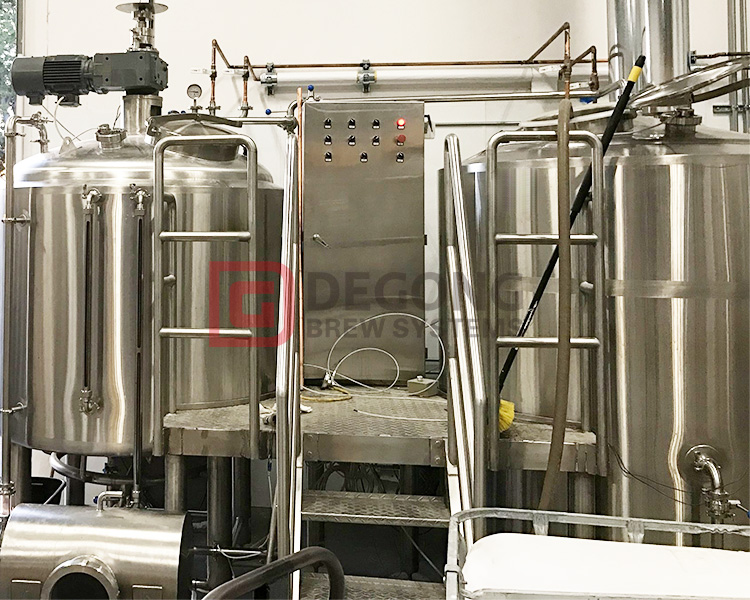
Wastewater generated by breweries requires treatment because it doesn't meet regulatory discharge standards. This treatment is often time-consuming and costly, as high concentrations of oxygen are required to offset the high BOD (biological oxygen demand) required for aeration and clarification.
Another potential hazard of brewery wastewater is its naturally acidic nature, which can cause corrosion. Brewery wastewater produces hydrogen sulfide gas, which, when mixed with water vapor, produces sulfuric acid. This acid can corrode process vessels made of concrete or mild steel, causing further equipment delays and deteriorating over time.
Furthermore, the acidity of brewery wastewater fluctuates depending on the brewery's production activities and the products produced. While this type of wastewater typically has a low pH, at certain times the pH can rise, leading to a higher likelihood of solids deposition and increasing the amount of sludge that needs to be removed during treatment.
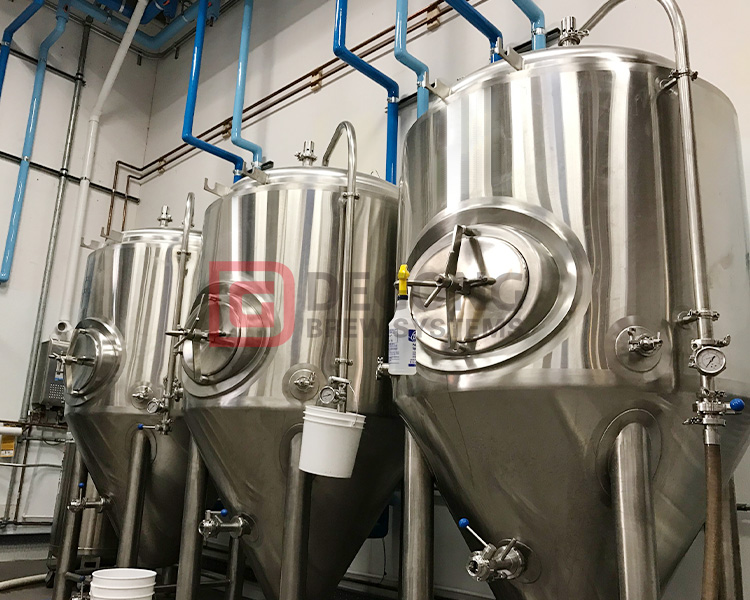
Brewery wastewater is divided into three categories: process wastewater, cooling water, and domestic wastewater. Clean water originates from different regions and may carry different types of contaminants.
This is wastewater generated during the beer production process. It originates from the cleaning of boilers, kettles, and tanks (using CIP or high-pressure cleaning), from the washing of bottles (automated cleaning), and from the cleaning of all pipes and production facilities. This type of wastewater typically contains high concentrations of organic matter, nitrogen, phosphorus, and cleaning chemicals.
Wort cooling is a critical step in beer production. Because hops are boiled for several hours and yeast ferments at temperatures between 8 and 22°C, these two process steps occur sequentially, necessitating the cooling of the wort to the optimal fermentation temperature. The cooling water used in this process typically contains low levels of organic contaminants but may contain certain concentrations of metals.
Domestic wastewater is generated by toilets, washbasins, and showers. This wastewater is generally biodegradable and may contain detergent or soap residues.
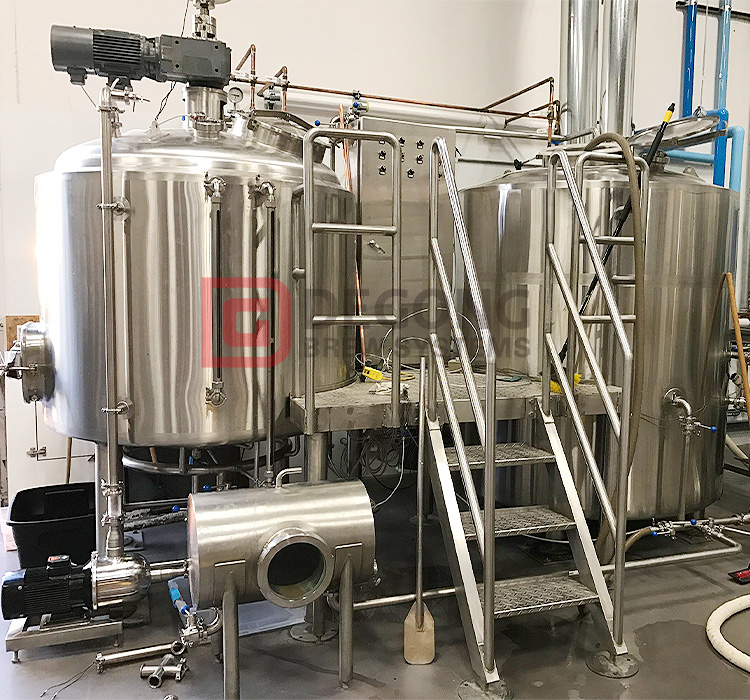
Low pH
High sugar and alcohol content
High TSS levels
High COD/BOD levels
To reduce these wastewater discharges, various environmental and socioeconomic criteria can be considered when selecting a wastewater treatment plant for the brewery industry. You can choose a process that can handle wide fluctuations in organic loading and wastewater characteristics while ensuring the lowest operating costs.
Physical treatment uses physical forces to remove contaminants. Because brewery wastewater contains grains such as barley, this method is well-suited for removing coarse, solid ice scale. This passive process, similar to sedimentation, causes suspended contaminants to settle or float to the surface. This method often results in incomplete contaminant removal or separation.

Chemicals are added to wastewater to remove contaminants. Chemical pretreatment includes pH shifting, coagulation, and flocculation. Acidity or alkalinity can affect the environment and wastewater treatment systems. In this method, the pH must be maintained between 6 and 9 to protect healthy organisms. Coagulation and flocculation are physical and chemical processes used to remove colloidal matter or color from water and wastewater. Therefore, pH shifting and flocculation are the most common methods used by breweries to remove toxic substances and colloidal impurities.
After treatment, brewery wastewater can undergo further biological treatment. Biological treatment processes can convert biodegradable organic contaminants in the wastewater. Brewery wastewater contains chemical and microbiological contaminants, and biological treatment is one of the preferred methods for removing these contaminants.
If left untreated, brewery wastewater can have significant environmental impacts. Discharge of untreated brewery wastewater into rivers or lakes can lead to overfertilization. This can result in exponential algae growth, leading to reduced oxygen levels in the water. This can negatively impact fish populations in the water. This can have a significant negative impact on receiving water bodies and groundwater near the brewery.
