
 English
Views: 25 Author: Site Editor Publish Time: 2025-09-04 Origin: Site
When you decide to open a craft brewery, choosing a location that will attract both returning customers and new customers is crucial to your craft brewery's success. In recent years, with the upgrading of consumption, the craft beer industry has emerged. More and more people are enjoying craft beer, and more and more people are planning to enter this industry and open their own craft breweries.
When considering where to open a craft brewery, first understand the laws in your state. Each state has its own laws and regulations governing where craft breweries can and cannot open. State laws can help you understand which towns and cities allow craft breweries and, in most cases, where they are prohibited. While laws vary from state to state, most of these restricted areas are near schools and churches. You can obtain this information from your local government's website, as it is often listed there.

Understanding your target customer is crucial. Are you catering to a younger, trendier demographic, or older, more affluent consumers? First, consider age and income. By identifying your target audience, you can choose an area with qualified potential customers.
Also, assessing your target customers' interests and tastes is crucial. Are they beer lovers who enjoy trying new flavors, or do they prefer traditional beers? By researching the local craft beer market, you can find beer establishments that align with your potential customers' preferences.
Regardless of your target audience, considering factors like parking and accessibility is crucial. The last thing you want is for customers to be unable to find nearby parking, or for parking to be so far away that people with disabilities or mobility impairments struggle to find you.
Locate yourself in a pedestrian-friendly area to increase your accessibility and visibility. Walkable neighborhoods have many benefits, including:
Safety
A better culture
A stronger economy
More sustainable

For new breweries, site selection is crucial. Consider the relationship between the brewery's location and sales locations. The closer the distance, the easier transportation. Also, consider the surrounding environment, such as the presence of manure plants, orchards, or toxic plants. Breweries must be located away from these facilities, otherwise the quality of their beer will be affected. Furthermore, it's important to stay away from infectious disease centers.
Choosing a location close to a major road is crucial to a brewery's success. This not only increases visibility and makes it easier for customers to find you, but also simplifies distribution to local bars, restaurants, and shops. In short, proximity to major roads benefits both you and your customers.
When choosing a location for a craft brewery, consider proximity to the raw materials you need. Can local farmers provide you with hops, barley, and other essential ingredients? Sourcing raw materials can save on shipping costs and allow you to showcase unique local flavors. Proximity to packaging and shipping suppliers is also a factor to consider. Being close to these resources can help you save on shipping costs and ensure smooth packaging and shipping of your products.
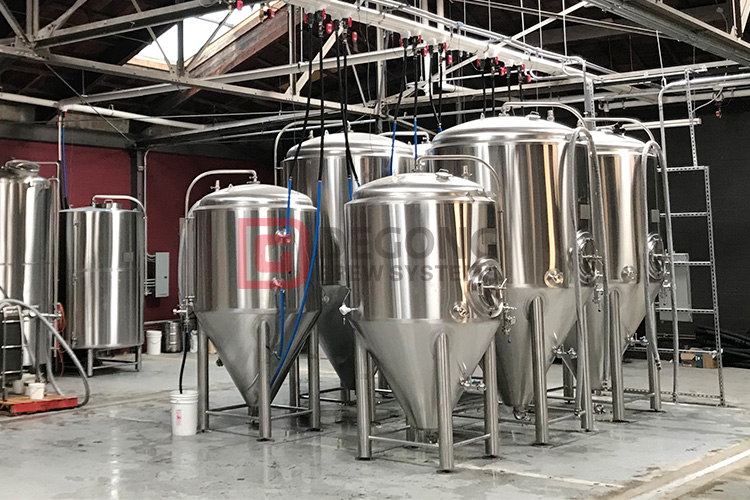
Operating a craft brewery means you'll need to consume significant energy to keep equipment cool throughout the brewing process (from mashing and fermentation to bottling). If you're planning to acquire a brewery already owned by someone else, obtain last year's usage report from the utility company and estimate this year's energy consumption. If you're opening a new craft brewery, obtain estimates and rates so you can work with the brewery to estimate energy costs.
Beer brewing requires water. Whether it's brewing water or other water used in the brewery, the cost is very high. While we know brewing water must meet at least drinking water standards, purified or distilled water is generally not used for brewing beer because the ion content is too low. As some craft beer experts say, "the resulting beer is boneless." Therefore, when selecting a brewery site, we need to consider the water source we plan to use and the water quality at the location. Water quality determines the requirements for water treatment equipment after the brewery is built, and water quality also has a significant impact on the taste of the beer. Therefore, before determining the site of the plant, water quality testing can be carried out and a decision can be made based on the water quality analysis report.
When choosing a suitable craft brewery location, the biggest factor to consider is space. Generally speaking, larger buildings tend to cost more. Therefore, it's crucial to determine the required space. While craft breweries may produce less than 100,000 gallons of craft beer annually, even small-batch brewing equipment requires significant space. The best approach is to conduct a break-even analysis. How much beer do you need to produce/sell to break even? Once you've completed this break-even analysis, you can determine your production capacity and output requirements.
Of course, you can also consult with a brewery equipment manufacturer, who can also assist you. An engineer can help you determine whether you need 500-liter or 1,000-liter brewery equipment, as well as the number and capacity of fermentation tanks required. Another important factor to keep in mind when purchasing brewery equipment is building height. Fermentation tanks range in height from 5 to 9 feet, and the height of brewery equipment will vary depending on the design height. If a brewery has limited building height, wider equipment will be needed to compensate, which means requiring more floor space.
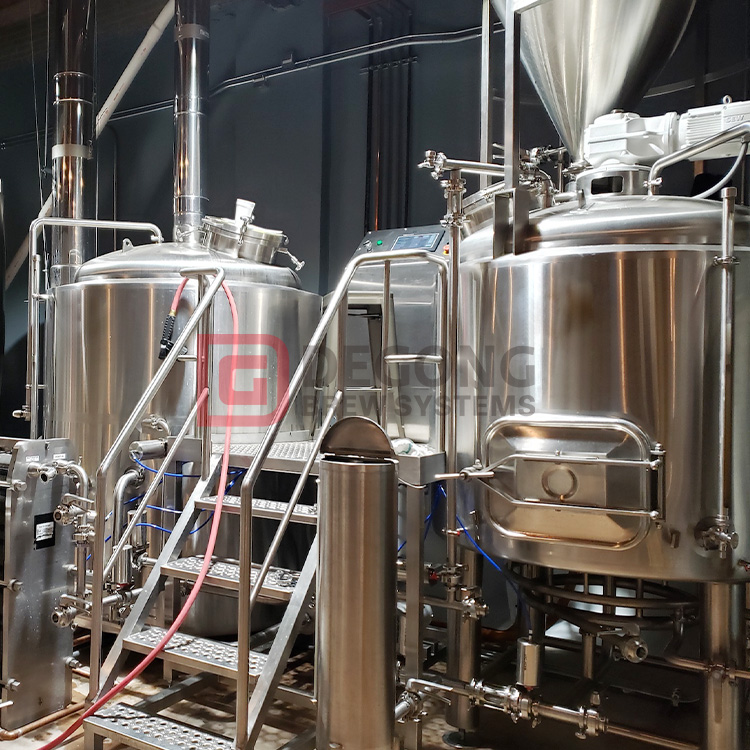
As you begin to narrow your search for a suitable facility, you need to determine if the building is suitable for brewing beer. Now that you have a rough idea of the square footage you need, you can draw a simple blueprint for your building and determine if it's suitable for brewing beer. This is also when you need to hire a brewing engineer, as CAD drawings are more professional than a napkin sketch. The driving force behind the rapid growth of the craft beer industry is premiumization. Premiumization means consumers are willing to pay a higher price for a product they perceive as unique. Successful craft breweries sell not premium beer, but a story. When you're ready to make your final selection, look for craft beer equipment that matches your brand.
