
 English
Views: 17 Author: Site Editor Publish Time: 2025-08-26 Origin: Site
The craft beer movement represents a revolution in the beer industry, emphasizing quality, flavor, and innovation over mass production. The Brewers Association defines its mission as "promoting and protecting small, independent American brewers, their craft beers, and the community of beer lovers."

Annual production must not exceed 6 million barrels of beer (approximately 3% of annual US sales).
Under alternating ownership rules, beer production rights belong to the brewery itself.
This restriction ensures a modest scale of production, in stark contrast to large commercial breweries.
Craft breweries must be owned or controlled by no more than 25% of members outside the beverage alcohol industry.
There must not be any equivalent economic interests.
This criterion excludes "pseudo-craft" brands controlled by large beverage conglomerates.
Must possess a brewery license issued by the U.S. Alcohol and Tobacco Tax and Trade Bureau (TTB).
The brewery must actually produce beer, not just operate a brand.
The brewery emphasizes the integration of traditional brewing methods with innovative craftsmanship.
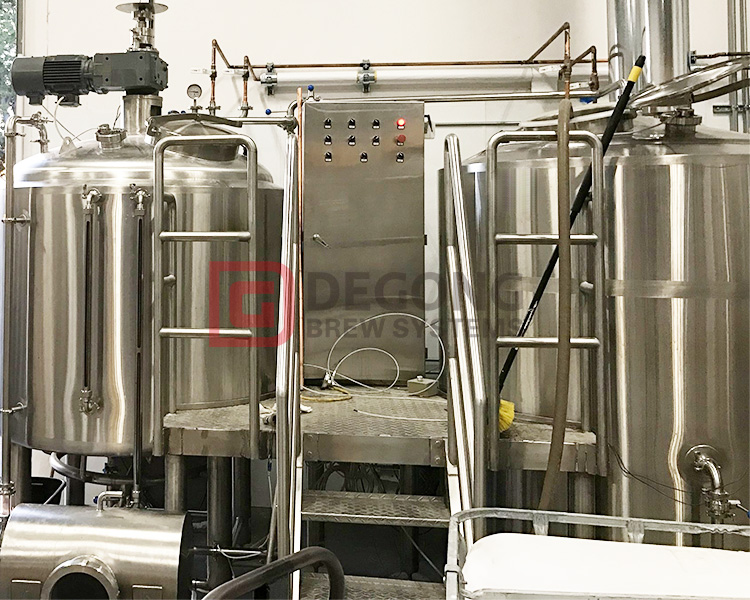
A combination of a restaurant and a brewery.
At least 25% of the beer is sold on-site.
Often offers full food service.
May have limited off-site sales where permitted by law.
Annual production of no more than 15,000 barrels.
Sells more than 75% of the beer off-site.
May have a small tasting room or taproom.
Focuses on small-batch, boutique brewing.
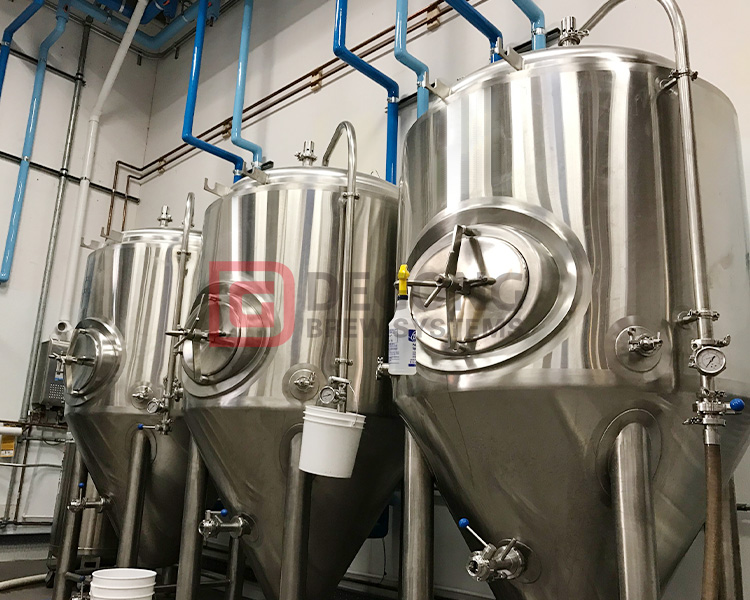
Independently operated, regional brewery.
Annual production ranges from 15,000 to 6 million barrels.
Primarily produces traditional or innovative beer styles.
Typically serves a specific geographic market.
Does not own physical brewing equipment.
Outsources production to other breweries.
Focuses on brand building and product development.
Must ensure compliance with other craft beer standards.

Flavor Diversity: Small-batch production allows for continuous experimentation with new recipes and seasonal offerings.
Ingredient Quality: Selected high-quality malt, hops, and yeast, some with health benefits.
Alcohol Strength: Minimal dilution preserves the beer's original flavor and alcohol content.
Community Connection: They often serve as cultural centers in local communities, fostering employment and economic development.
Environmental Practices: Sustainable production methods, such as water and energy conservation, are widely adopted.
Freedom to Innovate: Unconstrained by market pressures, they can experiment with adventurous recipes.
The craft beer movement has not only transformed the beer industry but also redefined consumers' perceptions and expectations of beer. It represents a brewing philosophy that returns to tradition, prioritizes quality, and embraces innovation—the very essence that distinguishes craft breweries from large commercial breweries.
