
 English
Views: 31 Author: Site Editor Publish Time: 2025-08-29 Origin: Site
Steam usage is an essential component of brewing and brewery operations. Properly managing the use of high-quality steam is crucial for the efficient production of high-quality products. Steam heating is a common method used in breweries. This process uses steam generated by boiling water to transfer heat to liquids. It has a wide range of uses, including wort boiling, tank heating, and cleaning. The right solution can make the difference between success and failure for your brewing process.
Temperature control is a crucial aspect of the brewing process. Brewers must set specific temperatures to ensure that the various ingredients in the beer, such as grains, hops, yeast, and water, react in a specific manner. This controlled reaction largely determines the beer's flavor.
Brewers monitor and manage the boiler's temperature to ensure the water is heated to a precise temperature. Due to many variables in this process, such as the desired flavor and water volume, the amount of steam required varies from batch to batch. Breweries may require large amounts of steam at certain times and less at other times. This is one reason why many craft breweries and microbreweries prefer small modular boilers for their brewing process.

Steam boilers contribute to the craft beer process far beyond heating ingredients. They are also crucial for cleaning and sanitizing tools and equipment used in the brewing process, including wort tubs, brite fermenters, and more. Steam is the best way to kill spores and bacteria that may remain on critical brewing equipment.
In addition to cleaning the equipment used to brew beer, steam is also crucial for cleaning equipment used to transport beer, such as barrels. If barrels are not cleaned properly, craft beer may be contaminated with impurities, affecting the beer's taste. Steam pressure is an ideal method for cleaning and sanitizing craft beer barrels before shipping. This is also true for distilleries, as steam is used in the distillation process.

Steam offers key advantages over other methods for boiling wort. For example, the steam generator used during brewing can also be used for cleaning and sanitizing operations. Steam also heats the kettle the fastest due to shear surface area contact, which is advantageous when dealing with varying temperature requirements. Using steam allows for greater temperature control, making it ideal for fine-tuning the brewing process.
Breweries may require 300-500 amps or more to power an electric brewhouse. Because these requirements are not standardized nationwide, brewers using electric wort brewing must ensure their permits, electrical service upgrades, and infrastructure are in compliance before commencing operations. This can be a significant investment.
This method of boiling wort requires a gas burner installed outside the kettle. The burner's flame heats a diffuser or deflector within the furnace below the kettle. One advantage of this method is that it reduces the risk of wort burning. Furthermore, direct fire heating allows the brewer to better control the rate at which the wort heats up compared to electric heating.
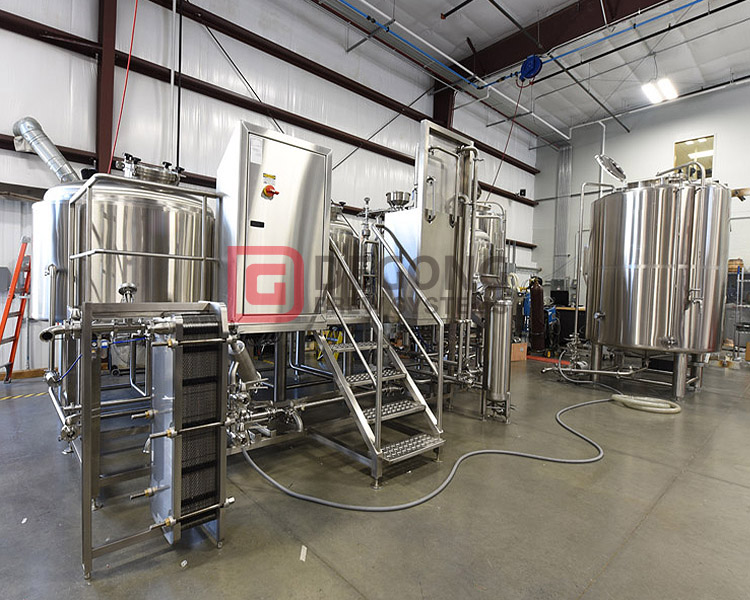
Steam heating provides precise temperature control, which is crucial for brewing. For example, using steam to heat wort maintains a constant temperature, ensuring a stable and reliable brewing process.
Steam is an efficient and fast heating method, making it ideal for breweries. It boils the wort, thereby maximizing the flavor and aroma of hops and other ingredients.
Steam heating is very energy-efficient because it requires less energy to generate heat than other heating methods. This is because steam can be generated at high temperatures, transferring heat to the wort.
Steam has a wide range of uses in the brewing process, including heating, cleaning, and sterilizing. This makes steam a versatile and efficient tool for brewers, as it can accomplish many tasks without having to switch between different heating methods.
Steam heating ensures a precise and controlled brewing process, helping to ensure consistent product quality. This helps avoid variations in taste and aroma that could affect the quality of the final product.
Steam heating systems are easy to clean and maintain, helping to reduce cleaning and maintenance costs. This is because steam can be used to clean tanks and equipment, removing any residue or buildup without the use of harsh chemicals.
Steam heating systems are safe to use because they do not produce flames or sparks that could ignite flammable liquids or gases. Compared to other heating methods, steam heating systems are a safer option.

Steam boilers are a vital component of any brewery or winery's brewing and cleaning processes. Whether you're looking for a high-pressure or low-pressure steam boiler for your facility, DEGONG offers a boiler system that meets your needs.
