
 English
Views: 41 Author: Site Editor Publish Time: 2025-08-07 Origin: Site
While centrifuges or high-speed separators have traditionally been the preserve of large industrial breweries, most small breweries have relied on natural settling time and a variety of cost-effective filters. Sedimentation, clarification, and filtration are crucial steps in the fermentation process to remove unwanted solids (such as residual yeast, hops, and proteins) and achieve a pure beer. Producing crystal-clear beer free of turbid solids is a challenge every brewery faces from time to time. Since the appeal of any consumer-facing beer lies in its appearance and appeal, clarity is paramount.

A centrifuge uses centrifugal force to separate solids from liquids. Beer centrifuges, in particular, remove proteins, hops, yeast, or other particles from beer, clarifying it before transferring it to the next tank—most of the work is done when transferring beer from fermentation tanks to tanks.
Centrifuges used for brewing use centrifugal force to achieve physical separation by gently accelerating the rotating drum and internal disc pack. The high speed of thousands of rpm also increases the settling area, thereby clarifying the beer in a short time and removing excess yeast, hops, and protein solids.
Traditional solids removal methods rely on the raw materials settling to the bottom of the conical fermenter, which can take considerable time. A rack arm above the settling yeast then separates it from the beer and transfers the hops to a maturation vessel at the bottom of the cone for final conditioning.
When the cone of the fermenter is finally cleared of these settled solids, a significant amount of valuable beer is lost. This waste is even greater in craft breweries, which use larger quantities of hops depending on their beer style.
After beer has been aged at low temperatures for a period of time, some residual yeast, hops, proteins, and other compounds are often present. These compounds can cause haze in the beer. These can be removed using diatomaceous earth, candles, membranes, or cartridge filters, which have limited solids holding capacity, slow filtration rates, and high maintenance and cleaning costs.
The right centrifuge can prevent oxygen absorption, resulting in high-quality, stable beer with a longer shelf life.
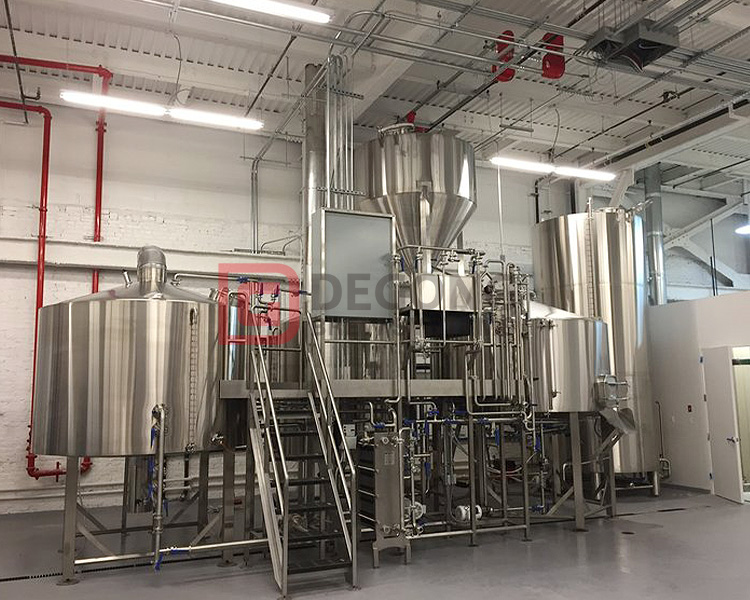
Besides being affordable, beer filters offer numerous advantages to craft brewers. However, they are slow and, because they can't filter material from the bottom of the fermentation tank without clogging, they can result in significant product loss. Using a centrifuge, you can produce more beer per tank.
A separator is the perfect tool for increasing production; using the same number of tanks, you can increase your production capacity by 15-20%. If you're a small brewery, every bit of savings counts; your beer is liquid gold.
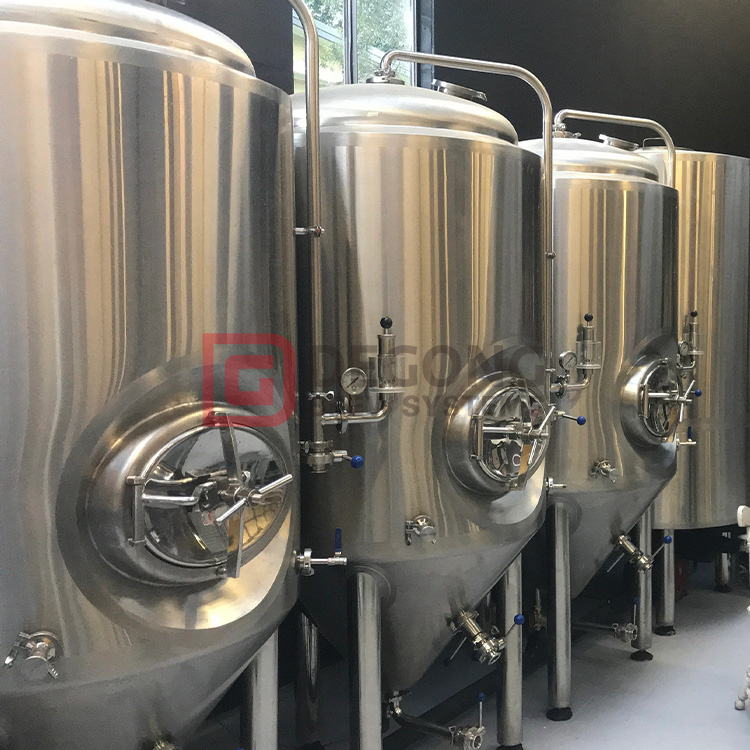
A centrifuge can achieve the desired product consistency in just a few hours, while sedimentation and filtration alone would take days to accomplish the same task.
Fermented beer enters the centrifuge and encounters a series of rotating discs. Solids (such as yeast, hop solids, and brewing proteins) spin to the edges and are discharged. The clear beer remains in the center and flows out the top, all without exposure to oxygen.
Oxygen absorption is a major concern for all breweries, especially those producing hoppy, oxygen-sensitive IPAs. Oxygen absorption can affect the shelf life of the product. However, when beer passes through a sealed centrifuge, brewers don't have to worry about this issue.
The key to brewing high-quality beer lies in quality raw materials. Unfortunately, many filtration and clarification processes remove desirable volatile aromas and flavors from beer. A skimmer is the smartest way to remove desirable solids from beer while preserving the unique raw material value. A separator or centrifuge preserves the beer's volatile aroma and flavor profile better than other filtration technologies. It only removes larger particles, while downstream filtration technologies can also remove finer particles.
Even if you're brewing cloudy beer or stout, a skimmer ensures that core solids are removed while preserving volatile oils and aromatic compounds. For stouts that are already dark in color, a skimmer can also improve beer quality and extend shelf life.
Higher yields and faster tank turnover can provide a return on investment in as little as one year, depending on your brewery's configuration and size. A centrifuge is a wise investment.
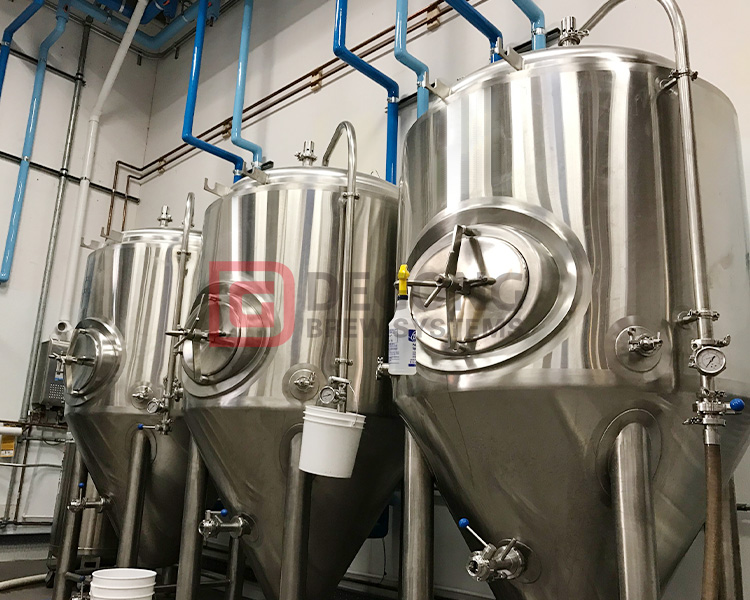
Centrifugation performs both mechanical and mechanical separation. G-force removes particles through gravity. Lighter particles are more difficult to separate. Filtration separates particles by size. These two technologies complement each other.
In brewery applications, separators are often used first, followed by filters, especially if the shelf life of the product needs to be extended. If you want to ship your product overseas or require a long shelf life in supermarkets, you may need to filter your beer, otherwise chill haze may be a problem.
If you want to produce unfiltered beer and maintain inventory, a separate centrifuge is a very good option because it preserves the aroma and volatiles.