
 English
Views: 28 Author: Site Editor Publish Time: 2025-08-15 Origin: Site
Lager differs fundamentally from ale in the following ways:
Yeast Type: Bottom-fermenting yeast
Fermentation Temperature: Low-temperature fermentation (typically 45-55°F/7-13°C)
Brewery Cycle: Includes extended low-temperature storage
Flavor Profile: Fresh, clean, and balanced, avoiding fruity esters, strong alcoholic notes, and excessive bitterness.

Yeast Activation: Maintain yeast activation temperature between 60-75°F (15-24°C)
Yeast Storage: Maintain yeast storage temperature between 60-65°F (15-18°C)
Temperature Control: After fermentation begins, reduce temperature to the recommended yeast temperature (as low as 45°F/7°C). The main fermentation cycle typically lasts two weeks.
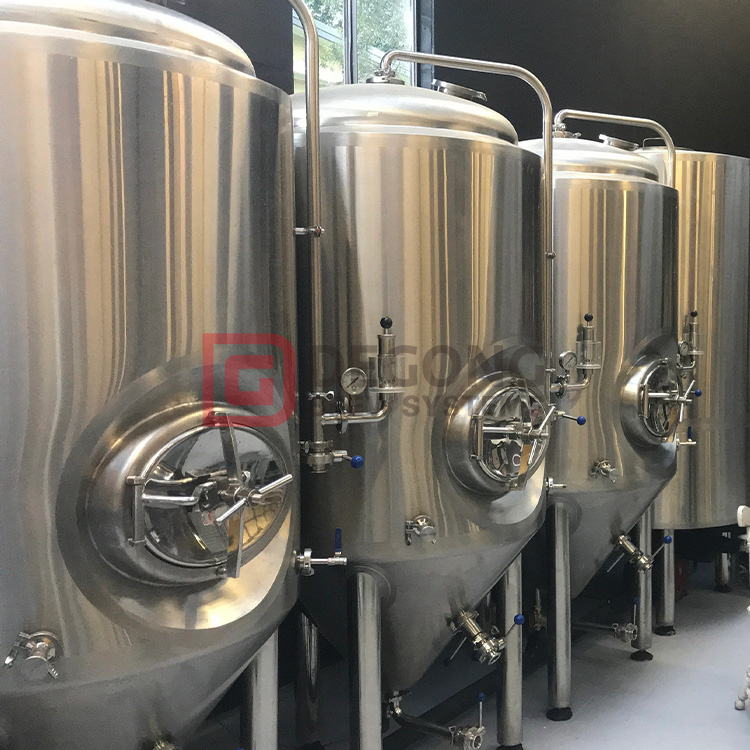
Fermentation Vessel: A pressure-controlled fermenter is recommended.
Temperature Adjustment: After fermentation is complete, increase temperature to 62°F (17°C).
Duration: Maintain for 2-3 days.
Effects: Ensures complete fermentation; Removes residual carbon dioxide; Encourages yeast to absorb diacetyl produced by fermentation.
Temperature Control:
Initial temperature approximately 35°F (2°C).
Lower by 5°F (approximately 3°C) daily until target temperature is reached.
Temperature can be lower than 35°F but requires close monitoring.
Lagering Time: Typically ranges from 4 weeks to several months.
Process Effects:
Precipitate residual yeast
Improve beer clarity
Eliminate undesirable flavors

Single-Step mashing: Recommended 148°F (65°C)
Two-Step mashing:
First Stage: 144°F (62°C)
Second Stage: 156°F (69°C)
Pressure Range: 15-20 PSI (18 PSI recommended)
Advantages:
Shortened fermentation time
Reduced exogenous CO2 addition
Inhibited undesirable ester formation
Increased equipment turnover rate
Cultivate Patience: Lager brewing is a long-term process that requires patience.
Precise Temperature Control: Yeast is extremely sensitive to temperature and requires strict control.
Ingredient Selection: Select high-quality ingredients suitable for the lager style.
Yeast Selection: Use a dedicated lager yeast strain.
Yeast Expansion: Use yeast expansion solution to increase the cell count.
Wort Cooling: Use a wort chiller for rapid cooling.
Diacetyl Management: A diacetyl resting process is mandatory.
Oxidation Prevention: Prevent oxidation during the cooling process.
Brewing high-quality lager is a challenging process. Compared to ale, it requires:
Longer fermentation times
More precise temperature control
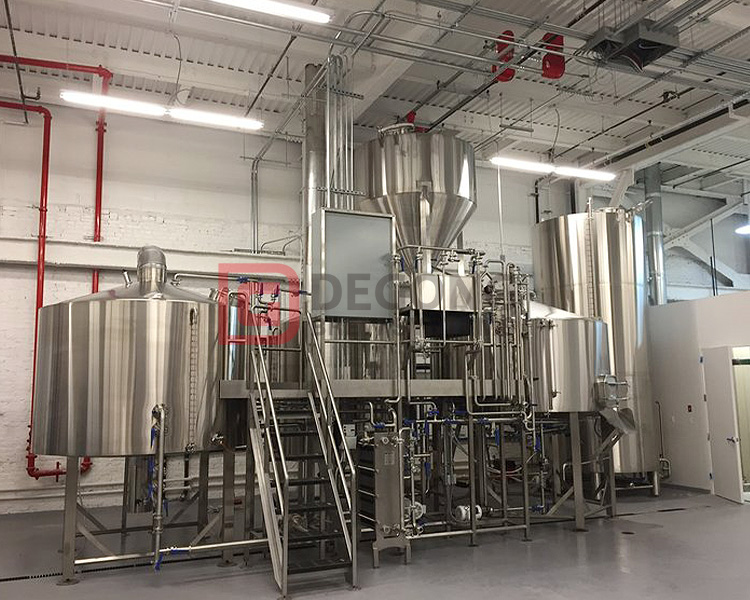
More equipment and resources
And stricter process management
Any flaws in ingredients, process, or equipment will show up in the final product. By following the professional advice above, homebrewers can also brew high-quality lager of commercial quality.
