
 English
Views: 26 Author: Site Editor Publish Time: 2026-01-19 Origin: Site
Fermentation tanks are no longer limited to traditional brewing applications. Today, they play a critical role across a wide range of industries, including food processing, pharmaceuticals, biotechnology, renewable energy, chemical manufacturing, and environmental protection.
At DEGONG, we design and manufacture high-quality fermentation tanks tailored to diverse industrial processes, helping global customers achieve efficient, safe, and sustainable production.
Fermentation tanks are the heart of beer brewing and spirit distillation. They provide a controlled environment where yeast converts sugars into alcohol and aromatic compounds.
Key advantages include:
Precise temperature and pressure control for stable fermentation
Consistent product quality and repeatability
Suitable for beer, whiskey, vodka, rum, and other fermented beverages
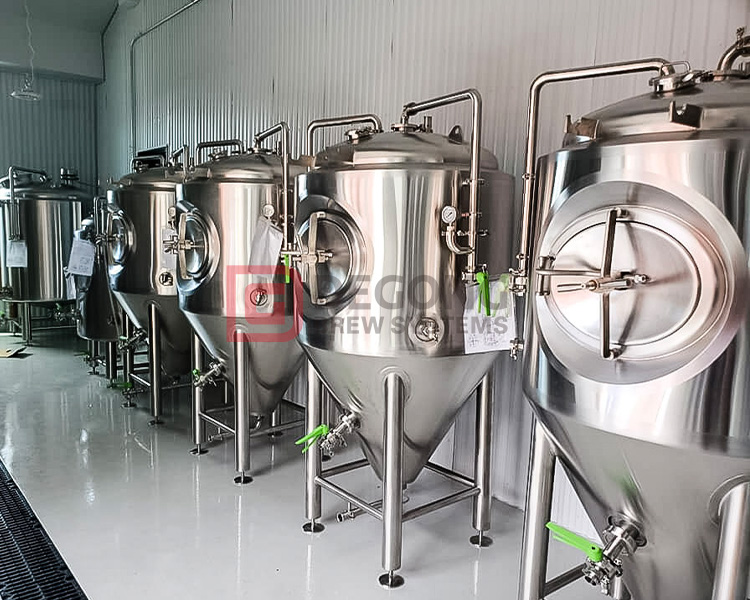
DEGONG fermentation tanks are engineered with hygienic stainless steel, reliable cooling jackets, and flexible configurations to meet both craft and industrial-scale brewing needs.

In the food and beverage sector, fermentation tanks are widely used to improve taste, nutritional value, and shelf life.
Typical applications include:
Dairy products such as yogurt, cheese, and cultured milk
Fermented foods like sauces, vinegar, soy-based products, and pickles
Dough fermentation and other bakery-related processes
With food-grade materials and easy-cleaning designs, DEGONG tanks ensure safety, hygiene, and consistent results in food fermentation.
The pharmaceutical and biotech industries require fermentation systems with strict control and high cleanliness standards.
Fermentation tanks are essential for:
Antibiotic and vaccine production
Enzymes, proteins, and bioactive compounds
Cell and microorganism cultivation
DEGONG provides fermentation solutions designed to meet high sanitary requirements, supporting precise process control and reliable production in life science applications.
As the world shifts toward renewable energy, fermentation tanks play a key role in biofuel manufacturing.
Common uses include:
Ethanol production from biomass or agricultural raw materials
Conversion of organic resources into renewable fuels
DEGONG fermentation tanks support efficient biochemical reactions, helping customers reduce dependence on fossil fuels and move toward greener energy solutions.

Fermentation technology is increasingly applied in chemical manufacturing to produce valuable bio-based compounds.
Typical products include:
Organic acids such as lactic acid and citric acid
Biochemical intermediates derived from renewable resources
Waste-to-value fermentation processes
DEGONG tanks function as reliable bioreactors, enabling stable and scalable production in modern chemical processes.
Fermentation tanks also contribute to environmental sustainability through biological treatment and waste management.
Applications include:
Wastewater treatment using microbial digestion
Anaerobic fermentation for biogas generation
Reduction and recycling of organic waste
By integrating fermentation technology into environmental systems, DEGONG helps customers improve treatment efficiency while supporting circular economy goals.

Fermentation tanks have evolved into versatile industrial systems that extend far beyond traditional brewing. From food and pharmaceuticals to energy and environmental protection, their role continues to expand.
With extensive engineering experience and customized manufacturing capabilities, DEGONG is committed to delivering reliable fermentation solutions that support innovation, efficiency, and sustainable development across industries.
Are fermentation tanks only used for alcohol production?
No. They are widely used in food processing, pharmaceuticals, biotechnology, biofuels, chemicals, and environmental applications.
How do fermentation tanks support sustainability?
They enable biological processes that reduce energy consumption, lower emissions, and convert renewable or waste materials into valuable products.
What trends are shaping the future of fermentation technology?
Automation, precise process control, hygienic design, and cross-industry applications are driving the next stage of fermentation system development.
