
 English
Views: 25 Author: Site Editor Publish Time: 2025-09-16 Origin: Site
Breweries of all sizes are rapidly expanding, but they consume significant resources and generate significant waste. To address this, breweries around the world are increasingly adopting sustainable practices throughout their production processes. From reducing resource consumption to investing in renewable energy and optimizing packaging and distribution, breweries are radically transforming their operations to create a greener future. Environmentally friendly green breweries are not only committed to producing high-quality beer but also actively working to minimize negative environmental impact, contributing to sustainable development through innovation and continuous improvement.
Eco-friendly brewing involves implementing a series of environmentally friendly measures and sustainable practices in the beer brewing process to minimize negative environmental impacts, promote efficient resource use, and maintain ecological balance. Sustainable brewing is reflected in intelligent and efficient system design and operation. This efficiency reduces the impact on resources such as water, electricity, landfill, capital, and employees. More importantly, it is a smart business practice that is better for the communities in which you operate.
Perhaps the biggest challenge in sustainable brewing is convincing consumers of its importance. Producing high-quality, sustainably brewed beer requires more effort and is more challenging from a logistical and financial perspective. If beer consumers don't understand or care about sustainability, brewers have no financial incentive to produce it. In an environment with a wide variety of beer options and often confusing or misleading value propositions, it can be difficult to identify brewers leading the way in sustainability initiatives.
Energy Consumption and Carbon Footprint: The brewing process requires significant energy, especially heat, and traditional brewing methods result in higher carbon emissions. Reducing energy consumption, optimizing production processes, and adopting renewable energy are key challenges.
Water Management: Brewing beer requires significant amounts of water, and effectively managing and protecting water resources and treating wastewater to minimize environmental impact are key challenges.
Choosing sustainable raw materials, such as organic barley and sustainably grown hops, while ensuring a stable supply of raw materials is crucial.
Waste Disposal and Environmental Impact: Effectively treating and recycling waste and wastewater generated during the brewing process to reduce soil, water, and air pollution are key environmental sustainability challenges.
Market Competition and Consumer Demand: Consumers are increasingly concerned about environmental protection and sustainability. Manufacturers need to meet market demands while also differentiating themselves from competitors through innovation and marketing strategies.
Regulatory and Policy Impact: Environmental regulations and tax policies for the brewing industry may vary across countries and regions. Companies need to comply with regulatory requirements in each location, which can increase costs and operational complexity.

Renewable Energy: Many eco-friendly breweries around the world now use renewable energy sources like solar, wind, or biogas to power their operations.
Efficient Equipment: By upgrading to state-of-the-art, energy-efficient brewing equipment, sustainable brewers have successfully reduced their electricity and water consumption significantly. For example, a state-of-the-art steam condenser can reduce a brewery's energy consumption by up to 60%!
Eco-Friendly Ingredients: Responsibly sourcing organic ingredients is a top priority for many green beer brands.
Reducing Waste: Eco-conscious breweries prioritize reducing waste, ensuring that spent grains are reused as cattle feed rather than discarded. Many breweries also switch to recyclable cans instead of glass to reduce their carbon footprint.

By choosing the right equipment, techniques, and ingredients, there are many other simple ways to brew more ecologically and economically.
As a brewer, use fresh, local, organic ingredients whenever possible to reduce shipping and storage costs and minimize the use of toxic chemicals. You can even try growing hops and other botanicals for brewing. Creating a home beer garden can help reduce shipping and packaging costs and is a fun and rewarding activity. Other ingredients, such as herbs, spices, fruits, and vegetables, are easy to grow at home or you can source them organically locally.
Eco-friendly brewing methods are often more efficient because you use fewer consumables and ingredients, which is better for your wallet and the world. So first, make sure your homebrew tastes good. Following standard cleaning and sanitation practices, properly storing ingredients, and maintaining the right fermentation environment can help you avoid brewing subpar beer. Even if you think your beer is worth wasting, you might be overly self-critical. Before you throw it away, let a friend or two try it. Who knows? They might like it.
But some beer isn't worth keeping. If you're finished with a batch, spread it on your flower beds or lawn. The nutrients in beer are beneficial to plant growth.
Water is a primary consideration in beer brewing, as beer comprises approximately 95% of water. High-quality water is crucial, but equally important is not wasting our primary brewing resource. As water resources become depleted, brewing costs can increase. Therefore, our goal is to achieve zero waste, meaning that all water used to brew beer is as clean when it leaves the process as when it entered.
Implementing a closed-loop water system maximizes water recovery and reuse, reducing reliance on natural water resources. Backwashing, soaking, or rinsing often requires large quantities of water to reach pouring temperature. Rather than wasting this warm water, it can be used to clean equipment, fill hot beer tanks for the next batch, or be collected for animal drinking water or plant watering.
The brewing process consumes significant amounts of energy, particularly heating and cooling. Implementing energy-saving measures can reduce a brewery's carbon footprint and operating costs.
Renewable Energy: Investing in renewable energy sources such as solar panels or wind turbines can provide a sustainable and cost-effective energy supply.
Heat Recovery Systems: Installing heat exchangers to capture and reuse heat from the brewing process can significantly reduce energy consumption.
LED Lighting and Energy-Efficient Equipment: Switching to LED lighting and using energy-efficient brewing equipment can further reduce energy use.
Waste management is a key aspect of sustainable brewing. By implementing effective waste reduction and recycling strategies, breweries can minimize their environmental impact.
Snake Grains Recycling: Snake grains, a byproduct of the brewing process, can be reused as animal feed, used in baking, or even converted into biofuel.
Composting: Organic waste, such as hops and yeast, can be composted and used to enrich the soil, closing the brewery's waste cycle.
Recyclable Packaging: Using recyclable or biodegradable packaging, such as cans and bottles made from recycled materials, helps reduce waste and promotes a circular economy.
Raise employee awareness and engagement in sustainability. Through training and education, motivate employees to actively participate in environmental protection initiatives, foster a culture of environmental values, and ensure employee understanding and support for the company's sustainability goals.
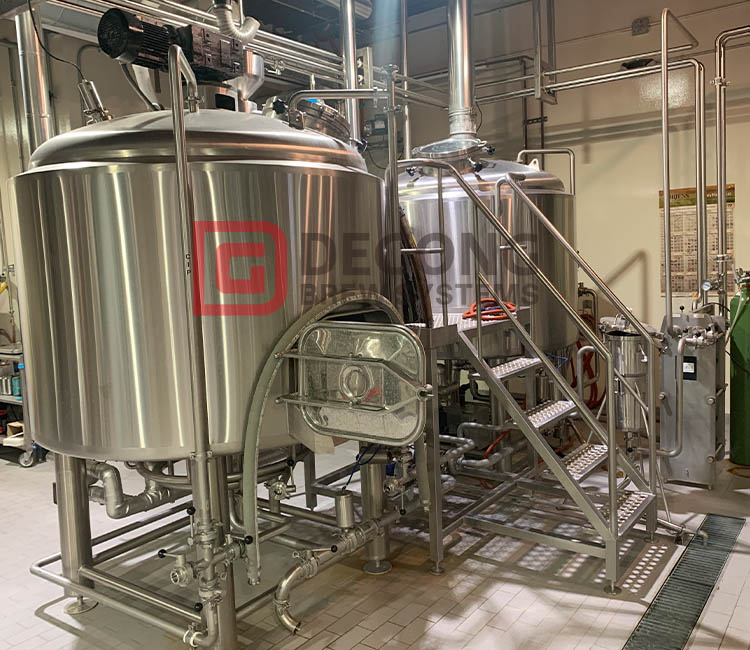
The key to brewing equipment is recycling used parts, always considering their durability. Many important parts can be obtained for free or at very low prices from those who no longer need them. For example, restaurants have many five- and six-gallon plastic kegs. Since restaurants have many of these kegs, you can usually find one or two that are clean and unworn (wear and tear is a breeding ground for spoilage microorganisms). Stainless steel brew kettles are safe, durable, have a long lifespan, and are ultimately recyclable. Recycling and reprocessing can reduce the demand for virgin resources. Stainless steel brew kettles reduce resource consumption and waste generation, aligning with the sustainable principle of efficient resource utilization.

Automation Systems for Boilers, Chillers, and Air Compressors: Steam, cold glycol, and compressed air are very expensive to generate, so automated management systems (much like cruise control in a car) can be used to optimize their performance.
Insulation: All hot and cold equipment within the brewery, such as tanks and piping, should be thoroughly insulated to save electricity and fuel. This also ensures operator safety and prevents mold growth and contamination.
Water Treatment and Recycling: This depends on the brewery's location and associated costs, such as fresh water and wastewater treatment fees. Water recycling can conserve water and eliminate wastewater treatment or transportation costs. In some cases, it can also generate natural gas, heat, and electricity for immediate brewery use.
Heat Recovery: There are many ways to recover heat generated during brewery operations, the most obvious of which is the heat recovered during wort cooling. Another example is the use of drum condensers to recover the heat generated by the evaporation of water during the boiling of the wort in the kettle.
Sustainable brewing practices are crucial not only to reducing the environmental impact of craft breweries, but also to meeting consumers' growing demand for eco-friendly products. Join sustainable brewing, embrace the environment, and become a green brewing brewery.
