
 English
Views: 20 Author: Site Editor Publish Time: 2025-09-01 Origin: Site
The home brewing industry is booming. With brick-and-mortar breweries popping up across the country and starter kits becoming increasingly available, getting started has never been easier. Everyone makes mistakes when learning to brew. It's inevitable; it happens to everyone. But knowing how to avoid home brewing mistakes can save you time, money, and energy in your pursuit of brewing perfection.
Brewing beer requires many different pieces of equipment, each of which must work together from start to finish.
Underestimating your batch size and using a kettle that's too small will leave you scrambling and trying to adjust your recipe.
Missing a bottling wand can cause major confusion during the bottling process (and, consequently, reduced beer yield).
Without proper sanitizer, harmful bacteria can remain on equipment, leading to infection in your batch.
Skimming out the bottling keg can introduce lees and other residue from the primary fermentation vessel into your bottled beer.
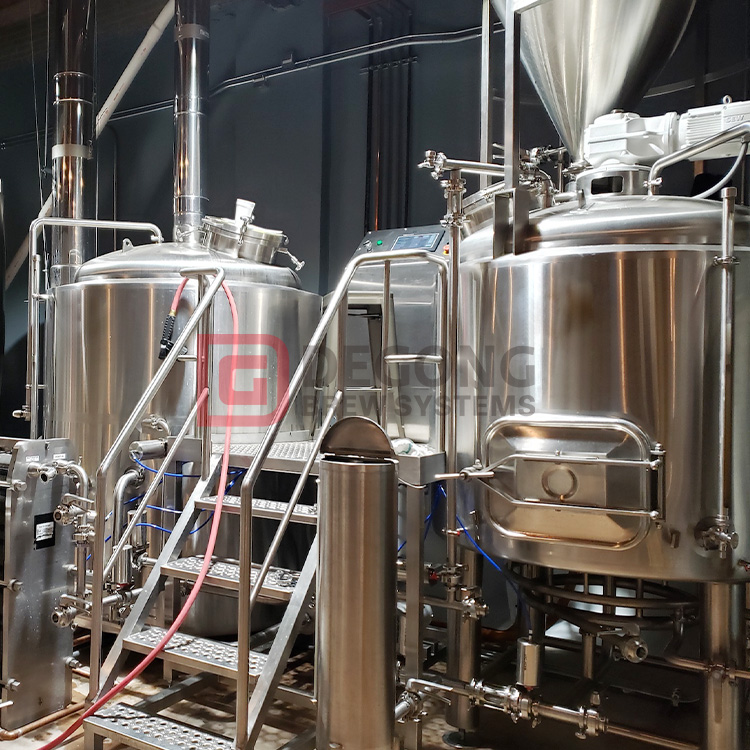
This is the biggest mistake every new brewer makes. Brewing is a messy process, and maintaining cleanliness not only preserves it but also protects the quality and flavor of your homebrew. Cleaning removes dirt, oil, residue, as well as fats, proteins, and other substances that can damage the flavor, aftertaste, or fermentation of your beer. Unsterilized equipment can expose your precious homebrew to serious problems caused by harmful microorganisms. During the brewing process, all items that come into contact with the beer need to be disinfected.
Your local tap water may be delicious when consumed directly, but adding it to your beer can do more harm than good. Unfiltered, chlorinated water can give your beer a metallic or plastic taste. Furthermore, depending on your area's groundwater levels, the pH and ion distribution can alter the beer's final gravity, pH, and aftertaste.
Using the freshest, purest water can enhance the quality of your beer. If you can afford it, use bottled water; otherwise, boil your tap water to kill any floating debris. After boiling, it's best to cover the bottle and let it cool before continuing.
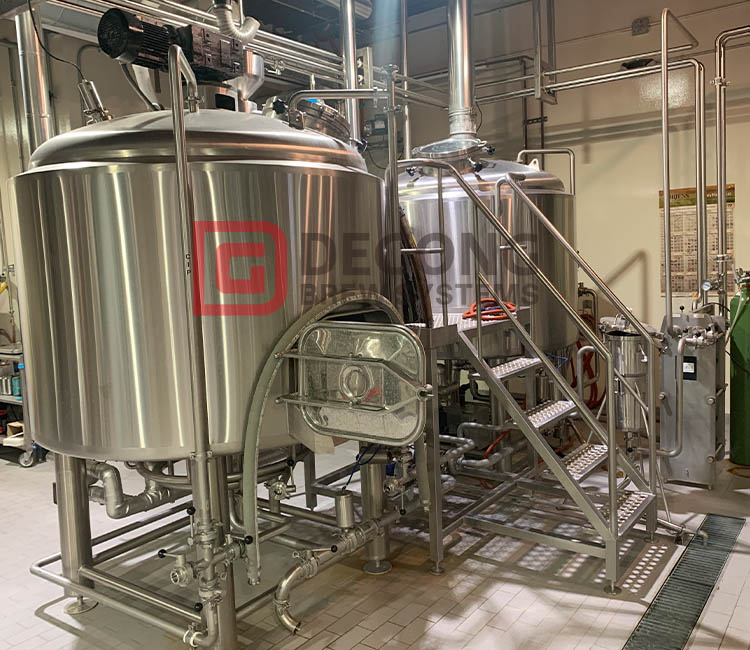
When I brew, I usually start a week or two in advance. To maximize the flavor potential of your beer, you need to purchase fresh ingredients. The ingredients included in the kit (hops, grains, malt, etc.) are ready to use upon receipt. However, you should generally refrigerate the yeast immediately. Using ingredients too long can cause them to spoil, which can diminish the flavor of the beer.
Experienced homebrewers have one thing in common: precision. While brewing involves trial and error, a solid understanding of brewing basics is essential before you begin. Beginners often forget to weigh their ingredients, often due to a lack of patience or a failure to read the instructions.
Following recipes and measuring accurately can help you avoid costly homebrewing mistakes and produce beers with better taste, gravity, and finish. Always measure all dry ingredients by weight, not volume. Investing in a high-quality brewing scale will maximize convenience and accuracy in your brewery and reduce the risk of unpredictable results in your kegs.
Proper temperature control is crucial for brewing the highest quality beer. Beginners often forget to check the temperature during fermentation, and overheating or overcooling the fermentation room can affect the quality of the beer.
The fermentation process can raise the temperature by up to 7°F (about 2.7°C); excessive temperatures can increase the alcohol content and make the beer sweeter. A thermometer is a great aid for homebrewing, so be sure to have one. Yeast packaging almost always lists the ideal fermentation and storage temperature ranges, along with other relevant instructions. Excessive heat or cold can speed up or slow down the yeast's fermentation, preventing the beer from fermenting properly.

Gentle squeezing is part of the bag-brewing process. However, excessive squeezing to squeeze every last drop of delicious juice out of the bag can also release compounds called tannins, which can give the wine a harsh taste. Soak the grain in a small amount of water (no more than three quarts per pound), then rinse it by pouring hot water over the bag or immersing the bag in another pot of hot water.
Some homebrewing mistakes are easier to avoid than others. Malt extract can settle at the bottom of the brewing kettle and burn. But as long as you're vigilant, you can avoid throwing spoiled beer in the trash.
Remove the kettle from the heat before adding any extracts. When adding extracts, stir until they are completely dissolved. If you use a kettle with an internal heating element rather than an external one, keep the heating element clean. This helps prevent sediment from sticking to the filter and imparting an unpleasant flavor to the beer.
All the sugars and other compounds that make wort a great foundation for beer will turn into a thick, sticky mess once they escape the kettle.
When the wort boils, keep an eye on the temperature and stir it. You can also place some glass bombs at the bottom of the kettle to reduce the likelihood of boilovers. They break large bubbles into smaller ones, reducing "burps" in the kettle. They are also inert gases, making them safe for boiling without affecting the beer's flavor.

As wort boils, it releases various sulfur compounds present in the ingredients. If the kettle is covered, these compounds will condense on the lid and drip back into the wort.
Some sulfur compounds are "good stuff," adding antioxidants to beer, but generally speaking, all sulfur compounds are unwelcome at beer parties. Sulfur can appear in the finished beer as cabbage, corn, or even fish or rubber notes. Covering the kettle also increases the likelihood of boilover. For a tastier beer, keep the kettle light, ventilated, and open.
Air is a godsend before fermentation. But if oxygen seeps into your beer after primary fermentation, you might find yourself cursing the harmful, flavor-destroying compounds produced by oxidation.
You can reduce the likelihood of oxidation by moving your beer from one container to another during various stages of fermentation. When siphoning, keep the siphon tube below the wort level in the transfer container. Avoid splashing, as this introduces air into the wort.
Brewing with other brewers offers opportunities to learn from each other, exchange ideas, accelerate your brewing progress, and have more fun. Paying attention to these issues during brewing can help you become a better brewer and brew high-quality beer.
