 English
Views: 27 Author: Site Editor Publish Time: 2025-12-24 Origin: Site
A Complete Guide From Raw Materials to Brewing Systems**
Beer brewing is a balance of simplicity and precision. While beer is made from only a few basic ingredients, the interaction between those ingredients—combined with controlled brewing processes—creates an enormous variety of flavors, aromas, and styles.
In this guide, we explain the essential ingredients needed to brew beer, how each ingredient functions in the brewing process, and how modern brewing systems from DEGONG help brewers achieve consistency and quality at every scale.
All traditional beers are made using four core ingredients:
Water
Malted Grains
Hops
Yeast
Each ingredient plays a unique role, and even small adjustments can significantly influence the final beer.

Water makes up the majority of beer by volume and directly affects every stage of brewing. Its mineral content influences:
Enzyme activity during mashing
Yeast performance during fermentation
Flavor balance in the finished beer
Many brewers adjust water chemistry to suit specific beer styles. Modern brewing systems allow precise water control, ensuring repeatable results batch after batch.
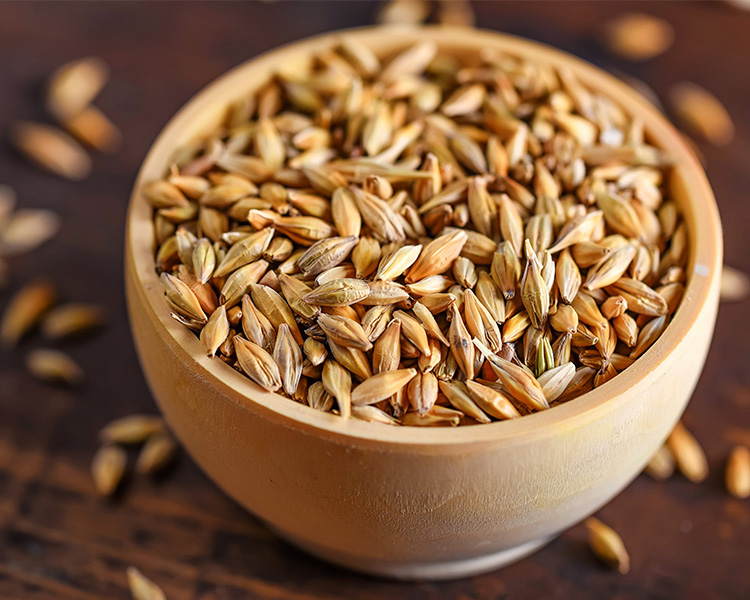
Malted grains provide the fermentable sugars required for alcohol production. Malted barley is the most commonly used grain, but others such as wheat, oats, and rye are also widely used.
During malting, grains develop natural enzymes. When mixed with hot water in the mash tun, these enzymes convert starches into sugars, creating a sweet liquid known as wort.
Different malt types influence:
Beer color
Body and mouthfeel
Sweetness and malt character
Specialty malts are often added to enhance complexity and depth.
Hops are flowers that contribute bitterness, aroma, and flavor to beer. They balance the sweetness of malt and improve beer stability.
Depending on when hops are added during brewing, they can provide:
Bitterness (early additions)
Flavor (mid-boil additions)
Aroma (late or dry hopping additions)
Modern brewing equipment allows precise hop timing and dosage, enabling brewers to design consistent flavor profiles.

Yeast is responsible for fermentation. Once added to cooled wort, yeast consumes sugars and produces:
Alcohol
Carbon dioxide (CO₂)
Flavor-active compounds
Different yeast strains have a major impact on beer character, influencing aroma, clarity, and fermentation speed. Controlled fermentation environments are essential for predictable yeast performance.
Beyond the four essential ingredients, brewers may use adjuncts to modify flavor, texture, or fermentation behavior. Common adjuncts include:
Additional grains (corn, rice, wheat, oats)
Natural sugars (honey, syrups)
Fruits, spices, or herbs
Adjuncts are commonly used in craft and specialty beers to create unique styles and regional characteristics.

Ingredients alone do not make great beer—process control is equally important. A complete brewing workflow typically includes:
Mashing – Converting starches into fermentable sugars
Lautering – Separating wort from spent grains
Boiling – Sterilizing wort and extracting hop compounds
Cooling and Fermentation – Preparing wort for yeast activity
Conditioning and Maturation – Refining flavor and clarity
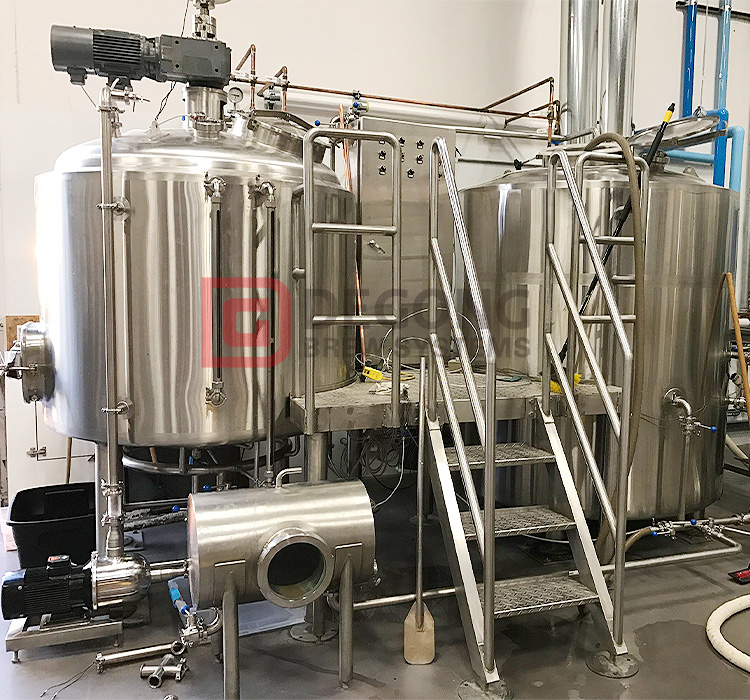
Modern brewing systems from DEGONG integrate stainless steel vessels, temperature control, and hygienic design to support each stage with accuracy and reliability.
Beer styles are defined by how ingredients are selected and combined. Variations in:
Malt types and ratios
Hop varieties and timing
Yeast strains
Fermentation temperature and pressure
can transform the same basic ingredients into entirely different beers, from light lagers to rich stouts or hop-forward IPAs.
Brewing beer begins with four essential ingredients, but quality beer is achieved through understanding how those ingredients interact within a controlled brewing system. From water chemistry to fermentation management, every detail matters.
With professional brewing equipment and fermentation solutions from DEGONG, brewers can focus on creativity and recipe development while relying on stable, efficient, and hygienic systems to bring their beer to life.