
 English
Views: 24 Author: Site Editor Publish Time: 2025-08-22 Origin: Site
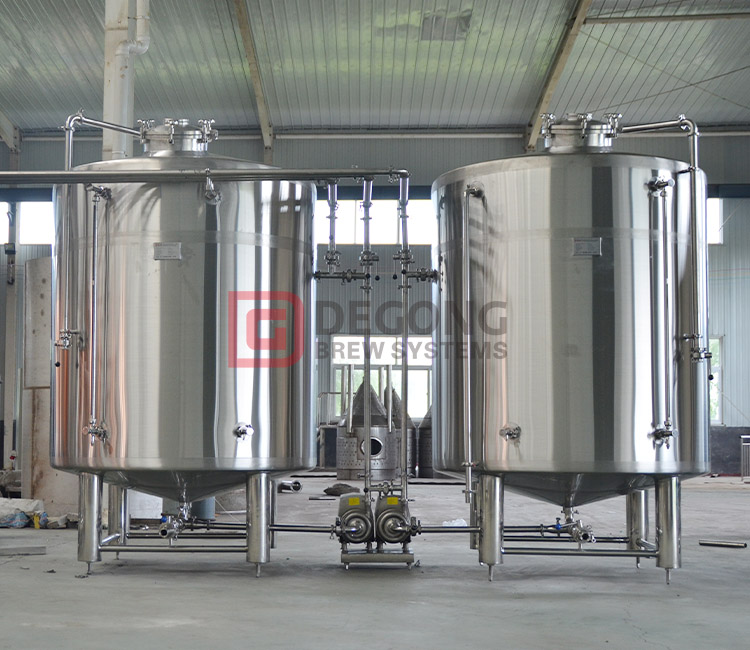
A double-walled stainless steel tank with insulation between the inner and outer shells.
A spiral cooling channel is built into the tank, which is fed with ethylene glycol coolant.
Typical operating temperature: 1°C-7°C (adjustable depending on beer type).
Cold water is pumped from the CLT, then passes through a heat exchanger to cool the wort. The heated water then enters the hot liquor tank (HLT). The hot water can be recycled for the next brew or for equipment cleaning.
Solve seasonal tap water temperature fluctuations (water temperatures can be 12-20°C higher in summer).
Reduce the load on the glycol system and prevent abnormal fermentation tank temperature increases.
Generates large quantities of 60-80°C hot water per batch.
Typical Applications: Brewing water for the next batch, fermentation tank CIP cleaning, and pipe disinfection.
The same glycol system can support more fermentations.
Suitable for continuous brewing of multiple batches daily.

Additional piping/control systems are required.
Conversion costs for connecting to an ethylene glycol system.
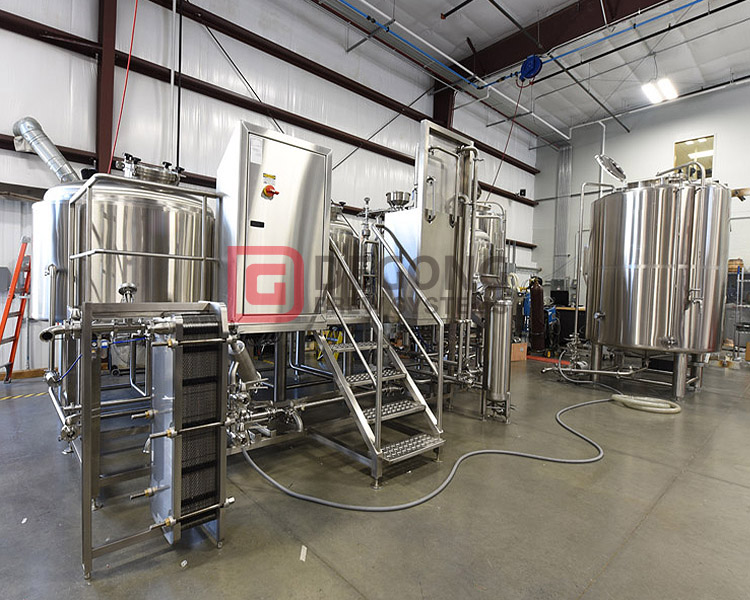
Recommended capacity is 2-3 times the single brewing volume (e.g., a 1000L brewery requires 2000-3000L CLT).
Small brewpubs should carefully assess their site.
Pre-cooling with water is required 24 hours in advance.
Water filling during this period will affect water usage in other processes.
Low-temperature fermented beers (such as lagers) require a larger CLT capacity.
For daily production of multiple batches, select a model that is three times the brewing capacity.
If budget permits, consider models with automatic temperature control.
The initial investment is relatively high.
Reduces ethylene glycol energy consumption by 30-50%.
Recycling hot water reduces water costs by 15-20%.
The equipment lifespan is typically 10-15 years.
