
 English
Views: 22 Author: Site Editor Publish Time: 2025-09-10 Origin: Site
Beer fermentation is the most important step in the brewing process, and choosing the right fermenter is crucial for beer production. For homebrewers looking to improve their brewing skills, conical fermenters offer numerous advantages, improving beer quality and streamlining the brewing process.
Conical fermenters are the most commonly used type of fermenter in the brewing industry. Their unique shape separates yeast and sediment from the beer, simplifying cleaning and harvesting. Conical fermenters also provide better temperature control and can perform primary and secondary fermentation simultaneously.
Single-Vessel Fermenters, also known as conical fermenters, combine the characteristics of both a fermenter and a conditioning tank. They can perform primary and secondary fermentation, as well as conditioning and maturation, all in one vessel. Single-Vessel Fermenters are favored by many breweries for their versatility and space-saving design.
Traditionally, open fermenters are used to produce certain types of beer, such as Belgian ales, providing an exposed surface for yeast to come into contact with air. This approach often produces a unique flavor and aroma and increases ester production. However, open fermenters require careful sanitation to prevent contamination.
Horizontal fermenters are less common but can be useful in certain brewing setups. They are commonly used for fermenting and aging beer because the horizontal placement allows for better contact between the beer and the yeast, resulting in a smoother, more rounded flavor.

A conical fermenter is a piece of equipment specifically designed for fermentation processes such as beer and wine. It's named for its unique conical bottom design, which plays a key role in the brewing process. The conical bottom collects and removes sediment, such as yeast and lees, during the fermentation process. This unique design separates the beer from unwanted impurities, resulting in a clearer, cleaner end product.
Conical fermenters are typically made of food-grade stainless steel, offering excellent durability, easy cleaning, and temperature control. They also feature a valve at the bottom, often called a pipette valve, for easy transfer of beer without disturbing sediment.
Conical fermenters are highly versatile and can be used for all types of beer fermentation. Whether you're brewing ale, lager, or sour beer, conical fermenters offer the flexibility to accommodate different styles and yeast strains. This versatility makes them a popular choice for homebrewers and commercial breweries alike.
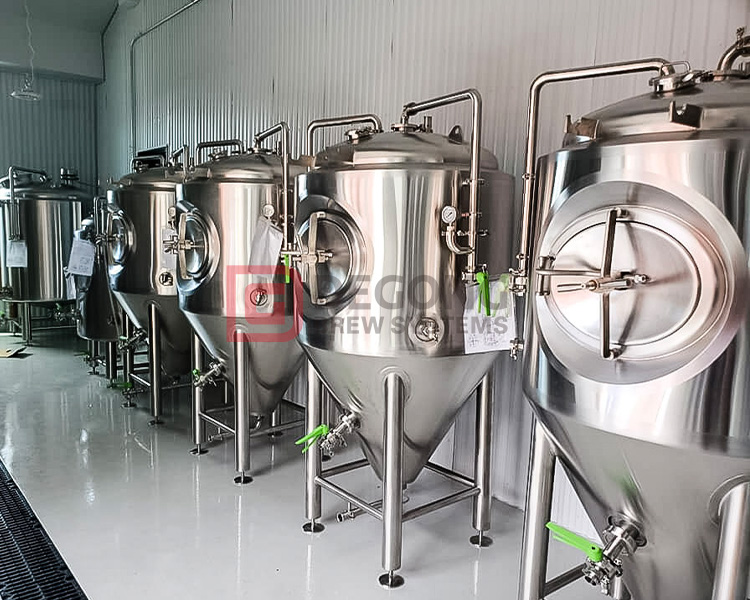
Homebrewers have access to a variety of fermenter types, each with its own advantages and disadvantages.
Plastic Fermenters: These fermenters are lightweight, affordable, and easy to clean. They are typically made of food-grade plastic and come in a variety of shapes and sizes. The downside of plastic fermenters is that they scratch easily, which can harbor bacteria and affect the flavor of the beer. Furthermore, they may not be as durable as other fermenters.
Glass Fermenters: Glass fermenters, typically large mason jars, are popular with homebrewers because they are non-porous, reducing the risk of contamination. They are also more scratch-resistant than plastic fermenters. However, glass fermenters are bulky, fragile, and difficult to clean due to their narrow openings.
Stainless Steel Fermenters: Stainless steel fermenters are favored by many professional brewers for their durability, ease of cleaning, and resistance to scratches and stains. While they may be more expensive than plastic or glass fermenters, they are an excellent long-term investment for serious homebrewers.
Conical Fermenters: Conical fermenters are a popular choice for homebrewers who want to simplify their brewing process. The conical design allows for easy removal of yeast and sediment without the need for transfer to a secondary fermenter. These fermenters can be made of plastic, glass, or stainless steel.

The most distinctive feature of a conical fermenter is its tapered or beveled bottom. This design allows the fermenter to naturally settle yeast and other suspended matter (such as lees and tartar) to the bottom. By adjusting the bottom angle, the collection and discharge of sediment can be controlled, helping to maintain the clarity and purity of the wine.
Stainless steel is an extremely durable material that can withstand high temperatures and pressures, making it an ideal choice for fermenters. With proper care, stainless steel fermenters can provide many years of service. This means you only have to invest once in a high-quality fermenter and enjoy its benefits for years to come.
One of the biggest advantages of stainless steel fermenters is their ease of cleaning and disinfection. Stainless steel is non-porous, meaning it resists bacteria and other microorganisms. This makes it easy to clean the fermenter before and after each use. Non-abrasive cleaners and disinfectants can be used to avoid damaging the stainless steel.
Temperature control is crucial during the fermentation process. Stainless steel's excellent thermal conductivity means it can maintain a consistent temperature throughout the fermentation process. This is crucial for producing high-quality beer. Some fermenters even feature a double-walled design with an outer jacket for precise temperature control.

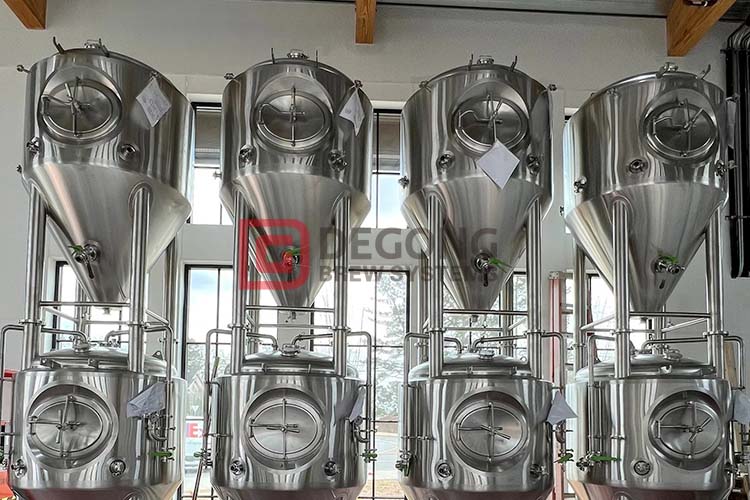
After choosing a stainless steel fermenter, it's important to understand how to use and care for it properly. Here are some maintenance tips:
Cleaning and Sanitizing: Before using your fermenter, be sure to thoroughly clean and disinfect it. Use non-abrasive cleaners and disinfectants to avoid damaging the stainless steel.
Temperature Control: Maintaining a constant temperature is crucial to the fermentation process. If your fermenter doesn't have a jacket, you can use a thermostat or incubator.
Oxygen: During fermentation, yeast requires oxygen to thrive and produce alcohol. Always oxygenate the wort before adding yeast. You can do this by shaking the fermenter or using an oxygenating stone.
Fermentation Time: Fermentation time depends on the type of beer you're brewing and the yeast strain you're using. Generally, fermentation takes one to two weeks. Once fermentation is complete, you can transfer the beer to another container for further aging.