
 English
Views: 19 Author: Site Editor Publish Time: 2025-08-05 Origin: Site
The causes and control of flavor are inseparable. Once you understand the causes of beer flavor, you can better manage the brewing process and beer handling to control or eliminate the causes. Brewers should consider and explain the causes of different flavors. This doesn't have to be detailed, but at least a general explanation should be provided.
Some aromas, especially those caused by contamination, are almost always considered defects. Although there are occasional signs of wild yeast contamination, they can make something wonderful seem wonderful. These aromas are usually caused by poor hygiene and, occasionally, improper brewing methods.
Any off-flavor not caused by contamination is likely due to your brewing practices, such as uncontrolled fermentation temperature, excessive waiting time for secondary fermentation, insufficient boiling, poor bottling technique, or choosing the wrong yeast.

When brewers refer to alcohol, they're usually referring to ethanol (CH3CH2OH), the primary byproduct of yeast fermentation. But this isn't the only characteristic of alcohol. Alcohol is a general term for any organic compound containing free hydroxyl (-OH) groups. Other alcohols that may be produced during fermentation include so-called fuse alcohols:
Isoamyl alcohol
Propanol
Isobutanol
Butanol
These fusel alcohols are present in varying degrees in all fermentation processes. However, in brewing high-quality craft beer, their concentrations are far below the threshold of human perception. Our palates are generally more sensitive to these fusel alcohols than to pure ethanol.

During normal fermentation, yeast cells consume sugars and produce alcohol (ethanol) as a byproduct. However, as fermentation temperatures increase, yeast tends to produce more fusel alcohols. These higher alcohols contribute to a warm, moonshine flavor, which is unpleasant in craft beer.
Thus, the primary cause of fusel alcohol formation is excessively high yeast fermentation temperatures. To avoid this, fermentation temperature control is necessary. In an ideal fermentation environment, the internal temperature of the fermenter should be maintained within the recommended range for brewer's yeast.
A second reason for high alcohol content is the proper malt balance and starting gravity. High-gravity beers (such as highland barley wine) often have excessively high alcohol content due to the high initial gravity and alcohol content of the wort. If you're using a high-gravity beer and the alcohol content is too high, consider lowering the starting gravity to reduce the final roastiness. Additionally, you need to ensure a good balance of malt and hops, as high-gravity beers require sufficient hops to offset the malt content.

Fusel alcohols also form when beer and yeast are kept in contact for extended periods, but this time is measured in months rather than weeks. If you're used to storing your beer for a month or longer before packaging, you don't need to worry about fusel alcohols.
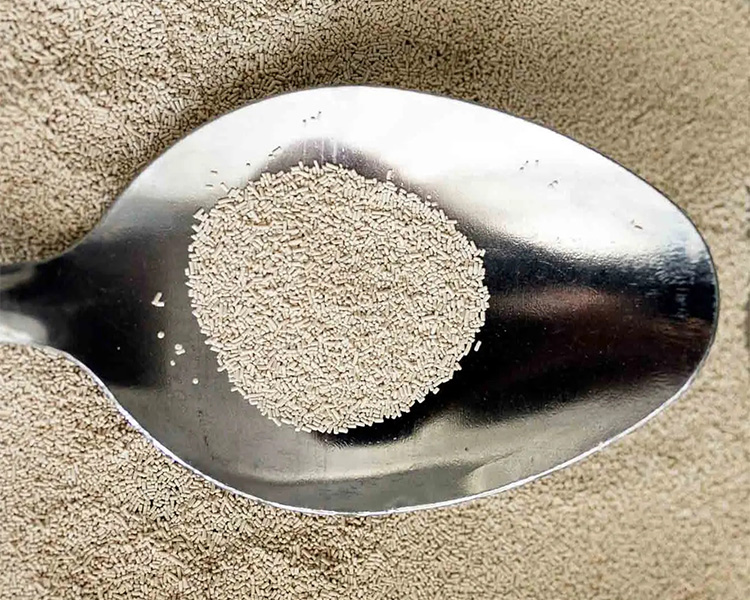
Fusel alcohols are one of the key components of beer flavor. If the fusel alcohol content is too low, the beer lacks its characteristic flavor. If the fusel alcohol content is too high, the drinker may experience a headache. Therefore, as a brewer, it is crucial to master the optimal fusel alcohol content.
Select yeast that produces low levels of fusel alcohols. Fusel alcohols are a well-known metabolic product of brewer's yeast. Selecting yeast with low fusel alcohol content is the primary means of reducing the fusel alcohol content in beer.
Choose the correct yeast expansion method. Yeast expansion must not only increase yeast numbers but also improve yeast activity and adaptability.
Add an appropriate amount of yeast. Adding too much yeast will lead to overly rapid fermentation and an increase in fermentation metabolites.
Proper wort oxidation. Brewers need to increase the amount of dissolved oxygen in the yeast, avoiding overactive yeast or underactive yeast.
Lower wort pH. Use acidification techniques to maintain a wort pH of around 5.4, and minimize the mashing time to reduce the dissolution of buffers in the wort.
Select an appropriate fermentation temperature. Generally speaking, higher fermentation temperatures produce more fusel alcohols.
Increase fermenter pressure. When fermenter pressure increases, yeast activity is inhibited, reducing metabolic production.
Recovering yeast early is also an important means of reducing fusel alcohol levels.
Reducing the oxygen intake of beer. During the filtration and filling process of beer, the inhalation of oxygen will increase the aldehyde substances, resulting in an increase in the fusel alcohol content in the beer.
