
 English
Views: 27 Author: Site Editor Publish Time: 2025-07-25 Origin: Site
Brewing recipe design is a perfect combination of art and science. While some brewers use scientific methods to try to match grain ratios, specific gravity, color, and bitterness, this is only part of the brewing process. The other part is understanding the flavors produced by each ingredient and how these flavors interact in complex ways to ultimately determine the quality of the finished beer. To brew the best beer, you need to master both the art and science of brewing.
Consistency in the brewing process is critical, especially when you want to improve on previous brewing recipes. You need to record each brewing process, measure simple data such as volume, specific gravity, and temperature, and compare the brewing results of different batches of the same recipe.
Once you have a solid initial brewing recipe, the next step is to start brewing. The goal is not to perfect the brewing recipe once, but to brew with your best skills, analyze it, and improve it when the beer does not meet your expectations.

Winemakers generally believe that the amount of yeast can be lower than the recommended amount, and the correct dosing rate is the key for winemakers to master the correct use of yeast.
A lower dosing rate may bring some adverse consequences. First, the possibility of slow fermentation and long fermentation time will increase. In addition, long fermentation will produce some odors. For example: diacetyl and acetaldehyde (green apple flavor) are two main odors.
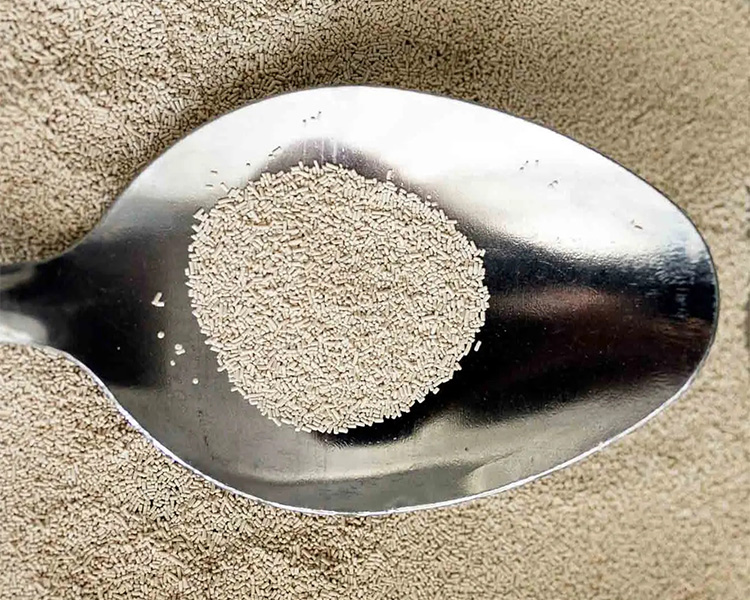
Top or bottom fermentation of brewer's yeast can use energy and basic English elements to synthesize most of the key ingredients. However, some essential molecules can only be produced if the yeast has access to oxygen. These compounds include ergosterol and unsaturated fatty acids. They are essential molecules that ensure the fluidity and permeability of the yeast membrane. Without these substances, yeast has difficulty growing and importing other essential molecules, resulting in insufficient growth and incomplete fermentation.
Temperature plays a vital role in the fermentation process. In addition to fermentation efficiency, temperature management is also crucial to the quality of the final beer. Regardless of their aromatic characteristics, all yeasts ferment better at the higher end of their operating temperature range.
For top-fermented ales, the ideal temperature is usually between 20 and 24 degrees Celsius. Below 20 degrees Celsius, fermentation can be risky for too long. Above 24 degrees Celsius, off-flavors such as hydrogen sulfide (H2S) will be produced.
For most beers and pilsners (bottom-fermented), a temperature of 11-14°C is recommended.

Even with the same recipe, different fermentation processes may have different degrees of clarified fermentation (ADF). There are many reasons for this difference, including feedstock characteristics, saccharification process, fermentation management and yeast viability. Limiting decay (LA) is a very useful method to determine whether the difference is caused by saccharification or fermentation management.
When ADF is lower than normal and there is a difference of 0.2°P between AE and LA, the pre-fermentation process (feedstock and saccharification) should be checked.
When there is a significant difference between AE and LA (such as 0.5°P), the fermentation process should be checked.
Beer fermenters help brewers control the carbonation level of their beer. By maintaining constant pressure and temperature, these fermenters help achieve the perfect carbonation balance for a smoother, more enjoyable drinking experience.

Beer fermenters often have features like built-in filtration systems and conical bottoms. These features aid in the clarification process, removing unwanted sediments, ensuring clear, transparent beer with an enticing taste.
Beer fermenters are designed for efficient and hygienic beer dispensing. They include components like dedicated service lines, taps, and valves to reduce beer’s exposure to air and maintain beer integrity during the pouring process. This streamlined dispensing process ensures consistent quality from the first glass to the last.
Beer fermenters offer a range of customizable options, allowing brewers to tailor the design and functionality of their fermenters to their needs. From size to capacity, brewers can create a tank that complements their unique brewing process and elevates the quality of their craft beer.
