 English
Views: 28 Author: Site Editor Publish Time: 2025-08-26 Origin: Site
Beer spoilage is primarily caused by microbial contamination. These microorganisms, which vary widely, can cause a variety of adverse effects on beer:
Taste and aroma changes: They can produce off-flavors or rancid flavors.
Appearance changes: They can cause beer to become cloudy or form difficult-to-remove biofilms.
Bacterial and yeast contamination: These are major issues for breweries.

Different beers have varying resistance to microbial contamination:
Traditional beer: Naturally resistant to most bacteria due to its low nutrient content, high alcohol content, hop bitterness, CO2 content, and low pH.
Non-alcoholic beer: More susceptible to microbial contamination.
Mixed beer beverages: Higher risk of contamination.
Craft beer: Highest risk because it is typically not pasteurized or sterile-filtered.

Microorganisms can live on the surfaces of brewing equipment or float in the brewery air.
Lack of strict hygiene measures can allow these contaminants to enter the beer during the critical brewing stage.
Contaminated malt, hops, and water can become carriers of spoilage microorganisms.
Water treatment is particularly important, as untreated water can introduce harmful elements into the beer.
Maintaining equipment cleanliness is fundamental to preventing spoilage.
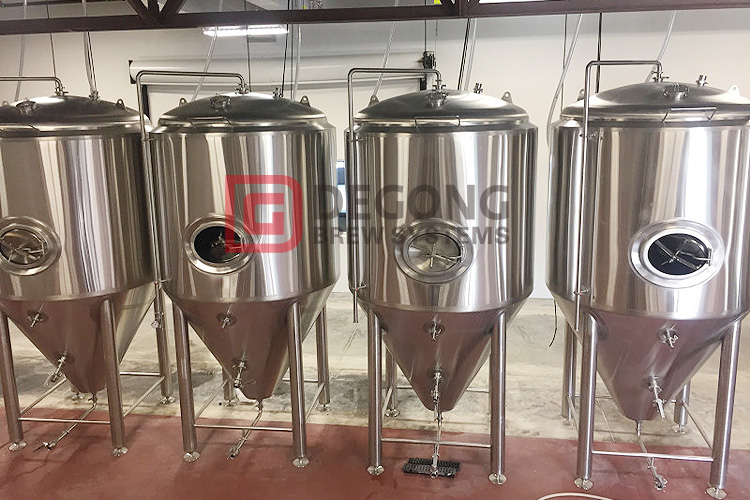
Tools such as storage tanks, hoses, and fermentation vessels must be rigorously cleaned and disinfected.
Neglecting this step can create a breeding ground for spoilage microorganisms.
Precise temperature control during fermentation is crucial.
Temperature fluctuations or improper control can create an environment that is conducive to spoilage microorganisms.
Brewers must closely monitor fermentation conditions to ensure that only the target yeast strain is active.
Continuous monitoring of raw materials, intermediate products, finished products, surfaces, and special areas
Studies indicate that 20-25% of craft beers may be contaminated with spoilage bacteria.
Even pasteurized beer can contain spoilage microorganisms.
Fast: Detect problems early
Specificity: Accurately identify target microorganisms
Accuracy: Reliable results
Quantitative: Understand the extent of contamination
Sensitivity: Detect low-level contamination
Affordable: Suitable for small brewery budgets
Ease of Use: Simple operation and minimal training required
Advantages: Rapid results.
Disadvantages: Sensitive to certain cleaning agents (such as hypochlorites), potentially leading to false negatives.
Non-selective: Detects all living organisms, potentially leading to false positives.
Unable to specifically identify the type of spoilage microorganism.

Establish a regular microbiological testing protocol throughout the brewing process to minimize batch losses.
Strengthen raw material quality control to ensure the cleanliness of malt, hops, and water sources.
Strictly enforce equipment cleaning procedures, especially as production increases.
Optimize fermentation control to maintain a stable temperature environment.
Implement comprehensive hygiene monitoring at every stage, from raw materials to finished product.
Use appropriate testing technology based on brewery size and budget.
Employee training to enhance hygiene awareness and operational standards.
As craft breweries expand in size and production, product storage and transportation times may increase. Increased production frequency also puts pressure on cleaning processes, making the establishment of a comprehensive spoilage prevention system even more crucial. By implementing these measures, brewers can effectively delay beer spoilage and ensure product quality and market competitiveness.