 English
Views: 18 Author: Site Editor Publish Time: 2025-09-25 Origin: Site
Beer filling equipment is a type of mechanical, automated equipment that fills beer or other beverages into containers such as bottles, cans, or kegs. This equipment is typically used in the later stages of a beer production line. Its purpose is to efficiently and hygienically fill beer into containers while ensuring product quality and safety, as well as the cost-effectiveness of the entire operation.
Bottle Fillers: Fill beer into glass or plastic bottles.
Can Fillers: Specialized for filling beer into aluminum cans.
Keg Fillers: Fill beer into kegs or barrels.

Beer freshness requires a delicate balance, impacted by oxygen exposure, temperature fluctuations, and carbonation preservation. Beer filling machines are designed to meet these challenges, ensuring that each can or bottle is filled under optimal conditions. By minimizing air contact during the filling process, these machines prevent oxidation, a key factor in maintaining beer freshness and preventing flavor degradation.
Taste is the soul of any beer, and beer filling machinery plays a vital role in preserving this essence. Fully automatic beer filling machines, in particular, utilize advanced technology to ensure consistent and accurate fill amounts. This precision prevents both overfilling and underfilling.
Once beer is filled, the bottle or can needs to be sealed immediately to prevent air ingress and bacterial contamination. Sealing machines secure the cap or aluminum lid to the bottle opening using high-temperature heat or mechanical pressure. At the same time, the production line is also equipped with an advanced testing system to conduct strict inspections on each bottle of beer, including appearance inspection, liquid level inspection, air pressure inspection, etc., to ensure that each bottle of beer meets quality standards and hygiene requirements.

It all starts with clear sake. After a complex series of processes, including mashing, fermentation, and aging, the beer is finally transformed into the beer we've longed for. This precious liquid is stored in specialized beer tanks, awaiting delivery to the beer filling line.
The conveying system plays a crucial role in the beer filling line. It acts as an invisible link, accurately and efficiently transporting sake from the tanks to the filling machine's inlet. This process requires extreme precision and stability to ensure that every drop of beer enters the bottling process with precision.
Once the sake enters the filling equipment, the fusion of technology and artistry begins. The filling machine is equipped with advanced control systems and precise mechanical structures, working together to dispense sake into each bottle or can at a consistent rate and volume. During this process, the filling line automatically adjusts the liquid level, controls bubble formation, and inspects the filling quality to ensure that every bottle of beer meets perfect standards.
After filling, beer bottles or cans must be immediately sealed to prevent air ingress and bacterial contamination. The sealing machine secures the cap or aluminum lid to the bottle opening through high-temperature heating or mechanical pressing. The production line is also equipped with advanced inspection systems to rigorously test each bottle of beer, including visual inspection, liquid level inspection, and air pressure inspection, to ensure that each bottle meets quality standards and hygiene requirements.
After filling, sealing, and testing, qualified beer is sent to the packaging area for case packing, packaging, and palletizing. This packaged beer is then shipped to markets and supermarkets nationwide for consumers to purchase. Throughout the entire process, the beer filling equipment production line maintains efficient, stable, and reliable performance, providing strong support for beer production and sales.

Upgradability: One of the most significant advantages of automatic filling equipment is its upgradeability. As your company grows, the level of integration will continue to increase. The number of filling heads depends on the model, and you can upgrade.
Easy to Operate: Automatic filling machines are easy to operate and more reliable. They are easier to use than other bottling machines. You can operate the machine without any learning curve or difficulty. Some machines also feature a touchscreen for user-friendly operation.
Increased Efficiency: Some semi-automatic filling machines require manual operation, while others are fully automatic, reducing manual labor, saving packaging time, and improving production efficiency.
Easier: Manual filling can easily result in uneven quantities, which depends on your skills and experience. Using a filling machine allows for quantitative packaging, consistent quality, and efficient operation.

Production Scale: First, determine your production scale, including your hourly, daily, or monthly filling volume. This will help you select the appropriate equipment model and specifications.
Filling Type: Different filling equipment is suitable for different containers, such as bottles, cans, or kegs. Once you determine your primary product, select the appropriate filling equipment.
Filling Technology: Gravity filling, vacuum filling, pressure filling, and more. Understand the advantages and disadvantages of different filling technologies to choose the best one for your beer type. For beers that need to prevent oxidation, vacuum or pressure filling may be more suitable.
Level of Automation: Choose the appropriate level of automation based on your budget and production needs. While fully automated equipment requires a higher initial investment, it can significantly improve efficiency and reduce labor costs in the long run.
Equipment Material and Hygiene Standards: Choose corrosion-resistant and easy-to-clean materials, such as stainless steel, to ensure compliance with food safety standards. The equipment should be easy to disassemble and clean to meet hygiene requirements and prevent cross-contamination.
Adjustment and Maintenance: Consider the adjustability of the filling equipment to accommodate different product sizes and bottle shapes. Choose equipment that's easy to maintain and has readily available spare parts to minimize downtime and lower maintenance costs.
Budget and Investment: Evaluate the equipment's purchase cost, operating costs, and benefits to ensure you're making the best choice within your budget.
Supplier Reputation and Support: Choose a supplier with a well-known brand and excellent after-sales service to ensure timely technical support and service throughout the equipment's operation.
Customer Feedback and Reviews: Review feedback from other breweries and actual equipment use cases to gain a realistic assessment of the equipment's performance.
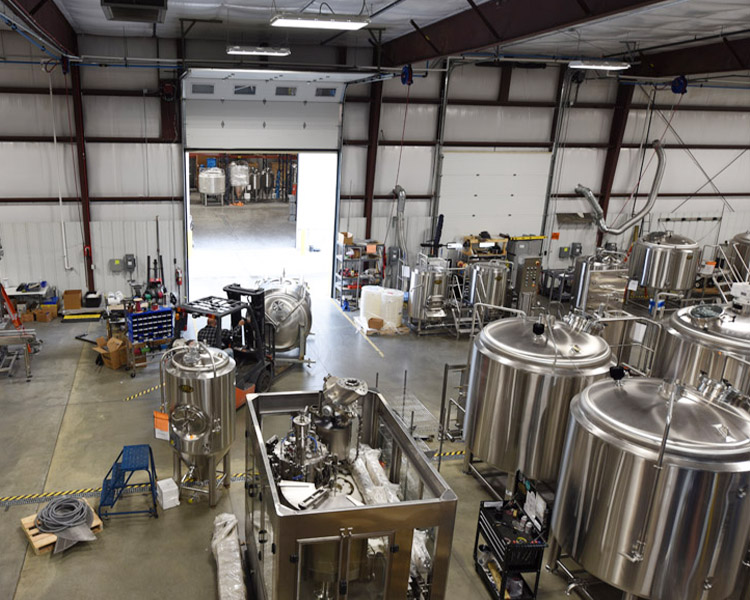
Installation: The installation process may vary depending on the type and complexity of the machine. Larger automated machines typically require professional installation, while manual systems are easier to set up. Be sure to work with your supplier to ensure proper setup and training.
Training: Operating beer filling equipment may be simple with manual systems, but automated machines often require operator training. Efficient operation ensures faster production and fewer errors.
Maintenance: Regular maintenance is key to avoiding breakdowns. Most manufacturers offer maintenance packages, so it's essential to follow the equipment manual for routine cleaning, lubrication, and parts replacement. Maintaining hygiene is also crucial to prevent contamination.