
 English
Views: 33 Author: Site Editor Publish Time: 2025-08-11 Origin: Site
Minimum: 2.5 weeks (using a rapid fermentation process)
Standard: 3-4 weeks (for most commercial beers)
Maximum: 8 weeks+ (for high-alcohol beers or traditional lagers)

| Phase | Time Range | Key Influencing Factors |
| Mashing and boiling | 3-8.5 hours | Equipment type/grain processing method |
| Primary fermentation | 2-8 weeks | Yeast type/temperature control |
| Carbonation | 30 minutes to 2 weeks | Carbonation method (forced CO2/natural fermentation) |
| Aging | 1-12 months available | Beer style/alcohol content requirements |
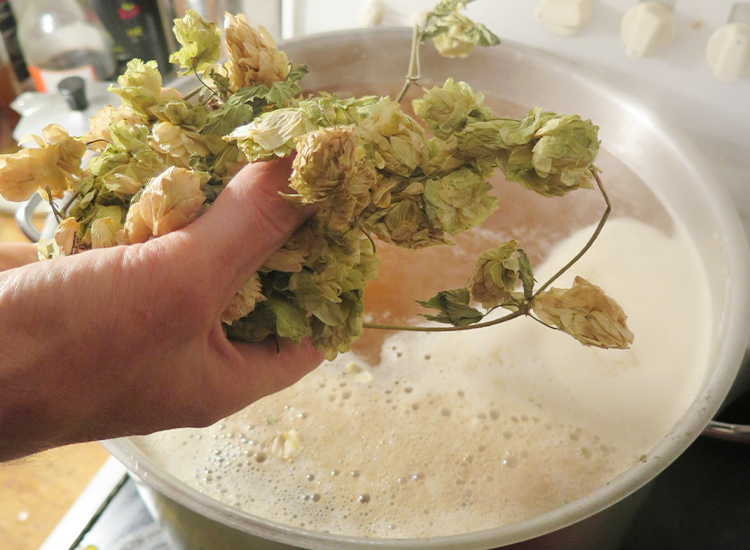
Ale: 2-4 weeks, typical fermentation temperature: 18-22°C
Lager: 4-8 weeks, requires low-temperature fermentation (7-13°C) and extended maturation
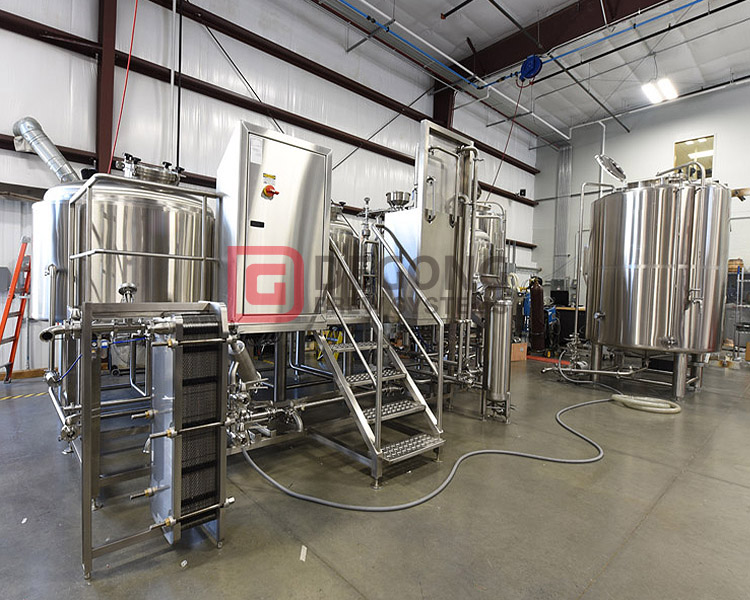
Rapid Fermentation System: Can Reduce Fermentation Time by 20%
Pressure Fermenter: Allows Room-Temperature Fermentation While Maintaining Flavor
Fully Automated Mashing System: Saves 2-3 Hours Compared to Traditional Manual Operations
High-Temperature Lager Yeast (e.g., W34/70): Fermentable at 18°C
Highly Active Dry Yeast: Reduces lag phase by 12-24 hours
Parallel Operation: Prepare fermenters while boiling
Pre-cooling System: Keep wort cooling time under 15 minutes
Forced Carbonation: Saves 10+ days compared to natural carbonation
High-ABV Beers: Requires an additional 1-12 months of aging
Hazy IPA: Skips filtration and goes directly to packaging
Actual Handling Time: Only 5-10% of the Total Process
Over 90% is Passive Time Waiting for Fermentation/Maturation
The Shortest Time Approach Sacrifices:
Taste Complexity
Aroma Dimensions
Shelf Life Stability
